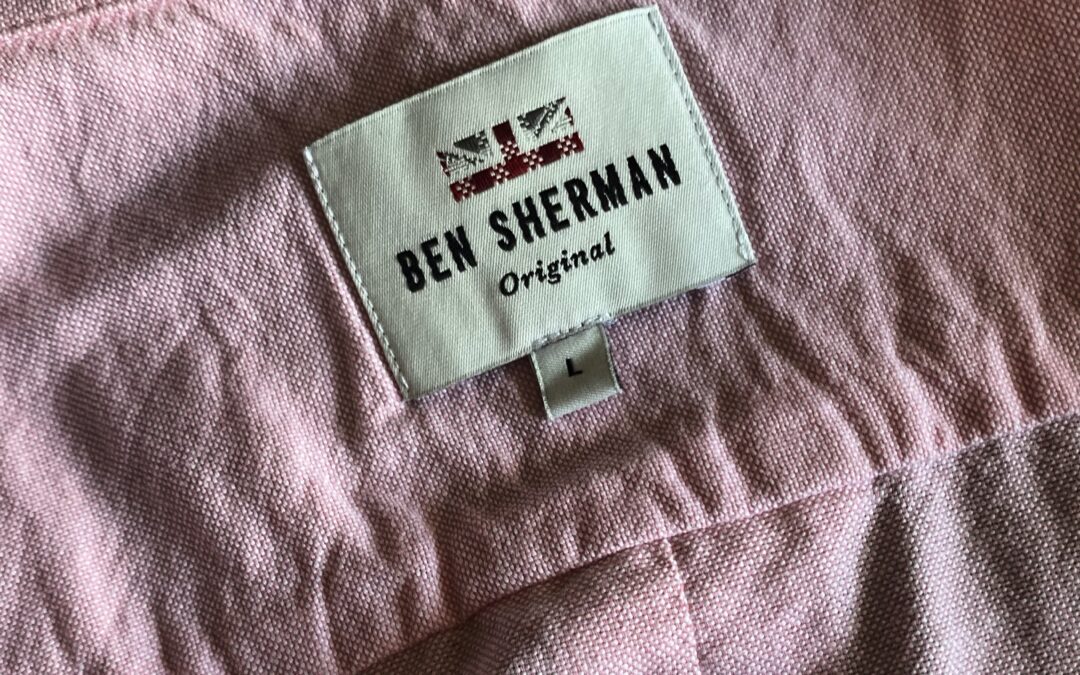
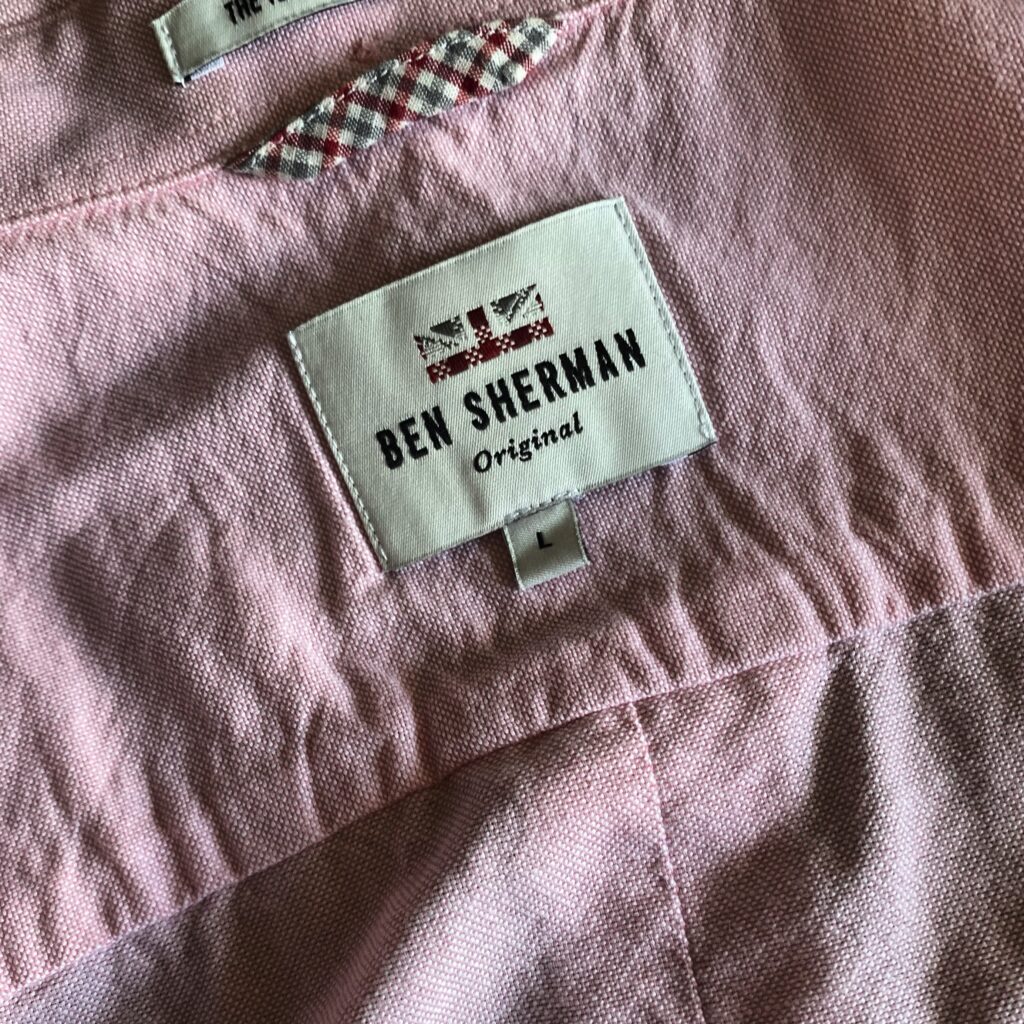
Today, I am incorporating pink into my business dress code. In business attire, the color pink can serve as a departure from more traditional colors like black, navy, and gray. Pink is often worn to add a touch of personality and warmth to a professional outfit. I am using the color to project approachability, open-mindedness, and creativity. I’m also inspired by how the always well-dressed British business community and society often use pink in their color combinations.
However, the appropriateness of wearing pink can vary depending on the industry and the occasion. In certain fields like diplomacy and fellowship programs, I tend to avoid pink.
Monday morning, the sound of an espresso machine is in the background, and I get into the editorials to see what is happening in a fast-changing world.
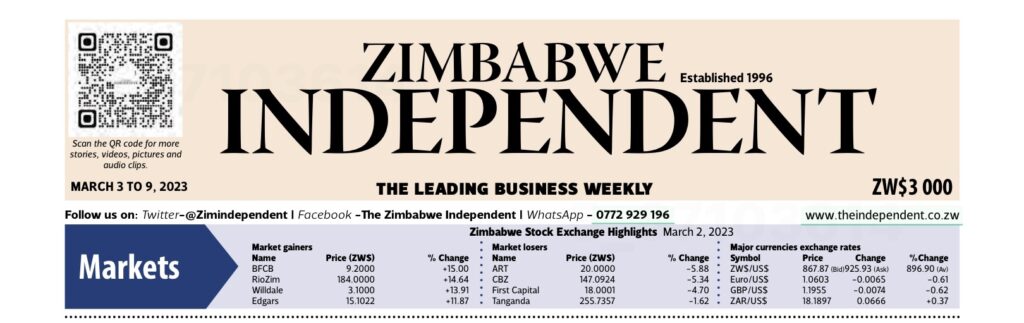
Faith Zaba, at the Independent in Zimbabwe, makes comments about the extended sanctions on Zimbabwe by the United States. The financial system is under pressure with effects on the industry. The editor asks both sides to come to the table and agree on a solution.
Editorial review is a blog by Joakin Dahl to cover and provide a comprehensive view of topics considered especially important, globally or locally. It's a review with a neutral position regarding the subject and with no affiliation to the source.
Circling Overland by Mr Joakim Dahl. To present perspectives and gather information beforehand, I am circling overland in silence and complete invisibility, instantly scanning and checking the news feed to bring the insight you need.
In the article from the Pulitzer Prize winner The Boston Globe about factory jobs in the US, we can figure out the driving forces in this small "industrial revolution".
The "industrial revolution" in the US is not an effect of bringing back overseas jobs. Instead, the crimped global supply chains after COVID-19 have made domestic manufacturing more attractive. Delayed deliveries and higher shipping prices - are in favour of moving production closer to home.
Businesses also see the geopolitical risk of operating in specific regions overseas amid rising tensions between Washington and some opponents.
The rise of domestic industrial production is driven by pharmaceutical plants, craft breweries, and food makers to be located outside the industrial strongholds, now in the Mountain West and the Southeast.