My apples are starting to turn red, and they are almost ready to go. And so am I.
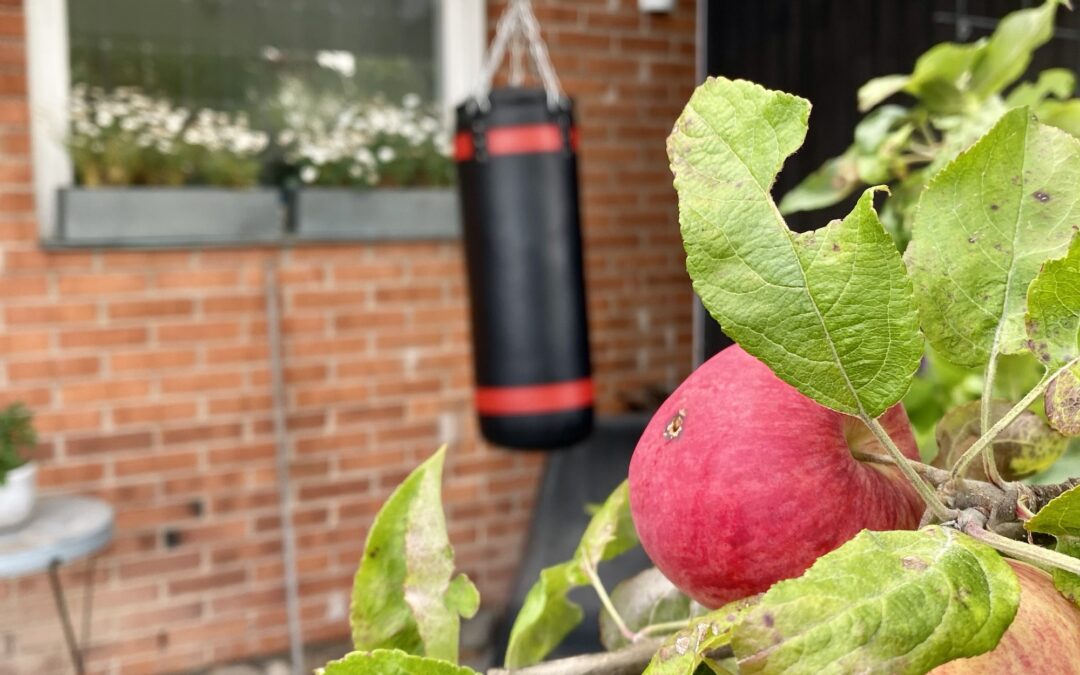
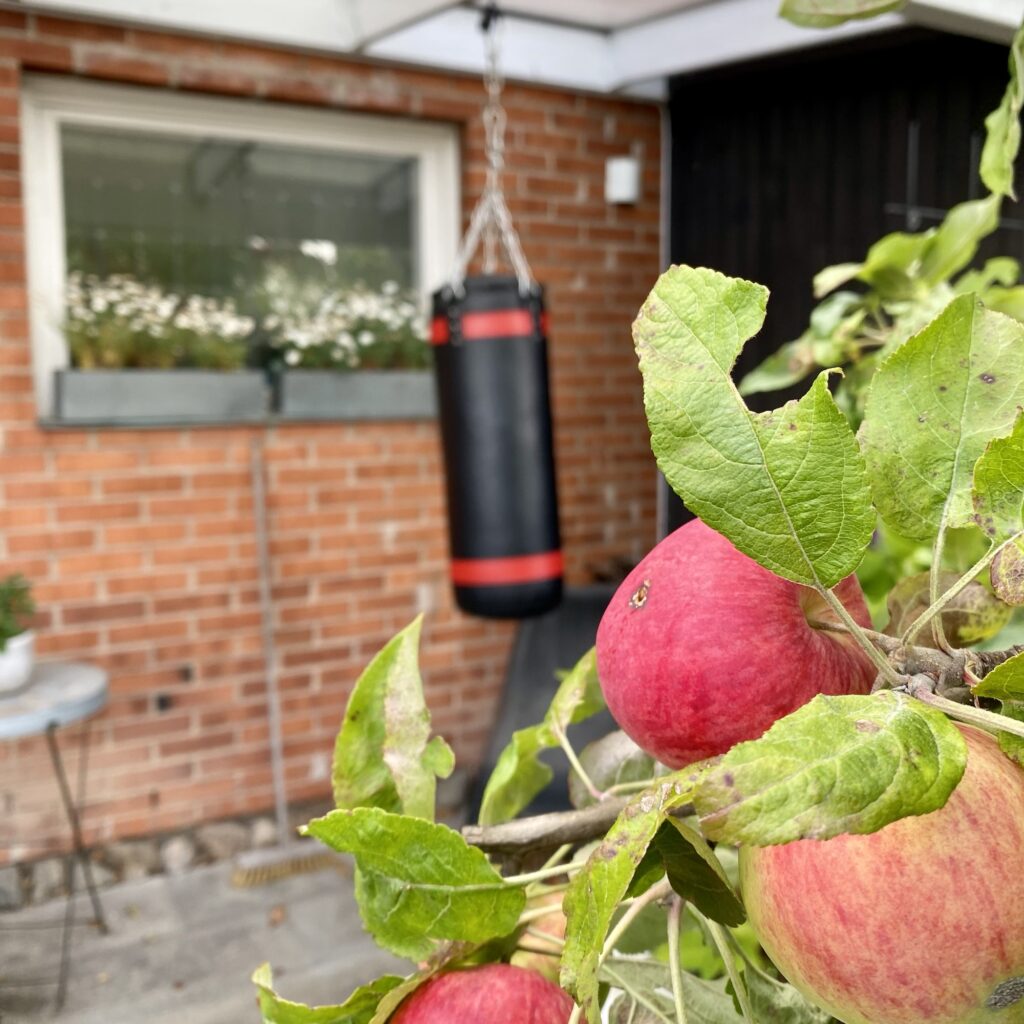
First, another match with the boxing bag under the apple tree, with only one spider in the audience.
Then it was time for two apple pies. One classic, and one healthier version.
Last time, the healthier one did not exactly win the jury over, so this time I made a few adjustments. More honey in the oatmeal topping, and plenty of desiccated coconut.
apples are starting to turn red, and they are almost ready to go. And so am I.
First, another match with the boxing bag under the apple tree, with only one spider in the audience.
Then it was time for two apple pies. One classic, and one healthier version.
Last time, the healthier one did not exactly win the jury over, so this time I made a few adjustments. More honey in the oatmeal topping, and plenty of desiccated coconut.
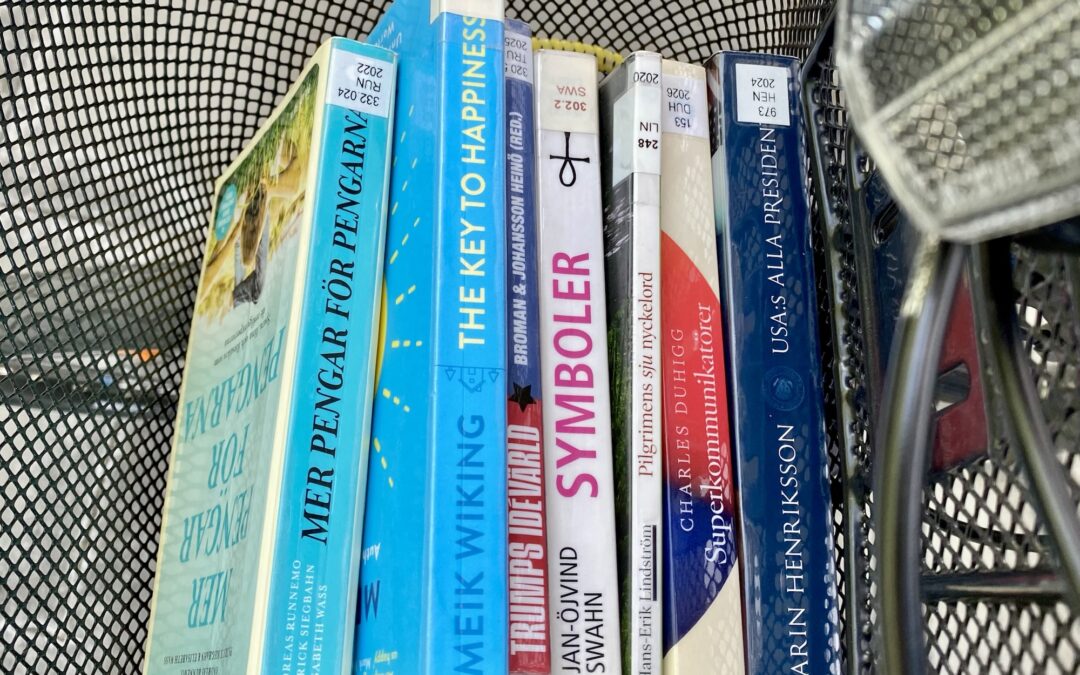
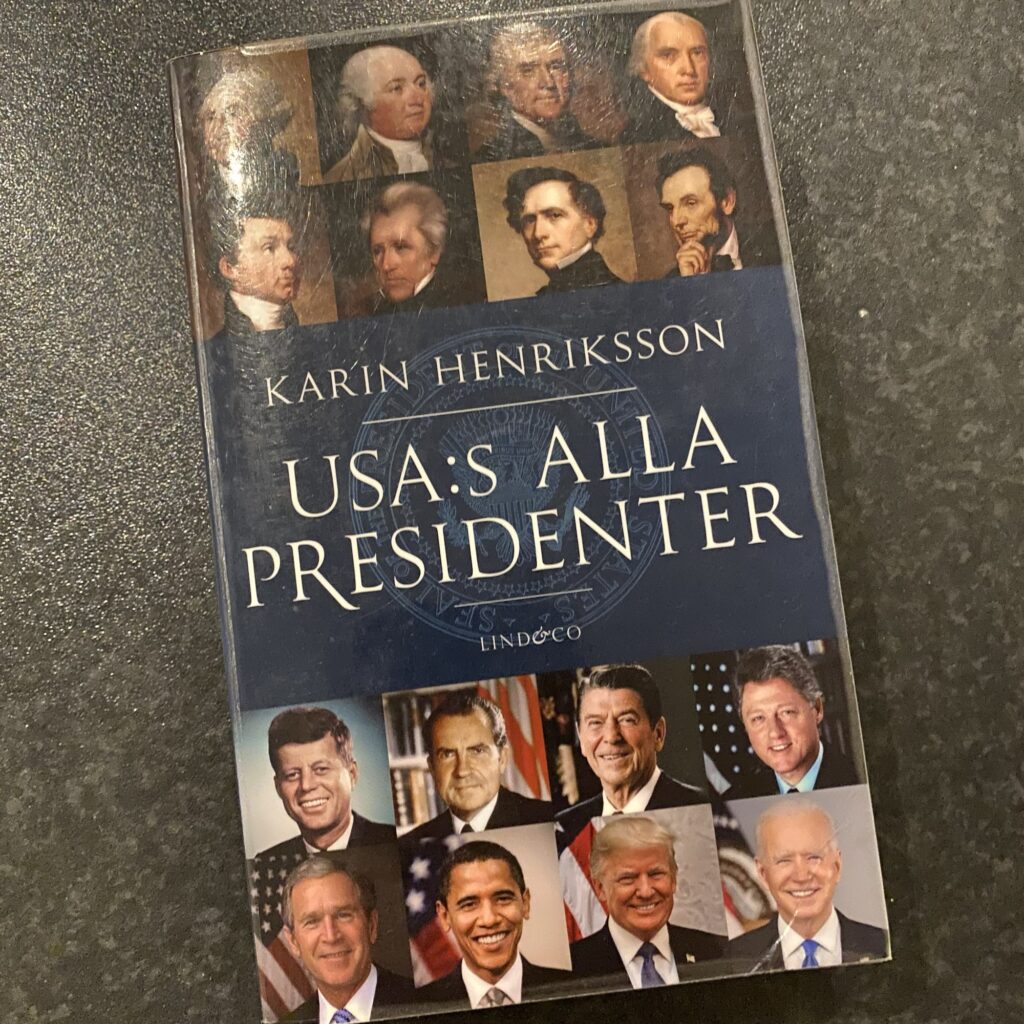
I always tell myself to keep it to one or two books. It never works. Every shelf seems to offer another subject, another idea, another reason to keep reading.
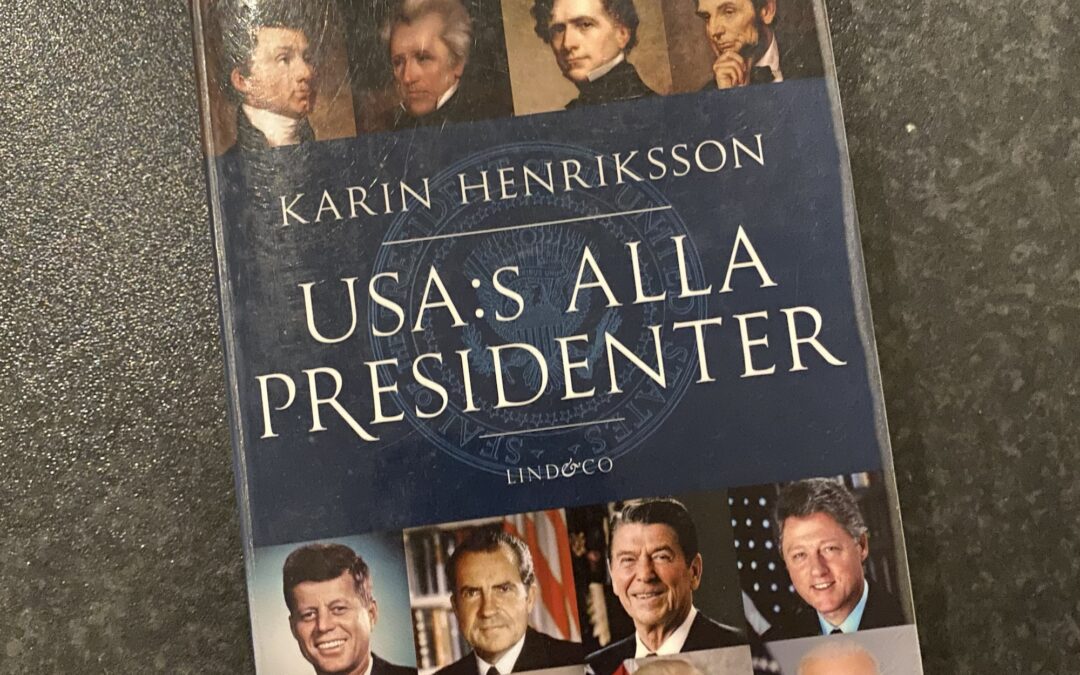
This time I came home with books about U.S. presidents, pilgrimage, communication, symbolism, happiness and a little more besides.
I continue to build my ultimate ranking of U.S. presidents, and after a day of reading, James K. Polk is moving rapidly up the list.
Polk entered the presidency with a remarkably clear ideas of what he wanted to accomplish. He announced early that he would serve only one term, then did exactly that. During those four years, he pursued his agenda with determination, expanded the United States dramatically, and delivered on many of the objectives he had set himself.
What strikes me most is the focus. One term, a defined programme, then action and results. A rather different approach from the political careerism we often see today.
Polk was also a relatively low-profile president. It was during his presidency that “Hail to the Chief” became closely associated with the president’s entrance, reportedly because his wife Sarah wanted people to notice when he entered the room.
Only a few months after leaving office, exhausted after years of hard work, James K. Polk died at the age of 53.
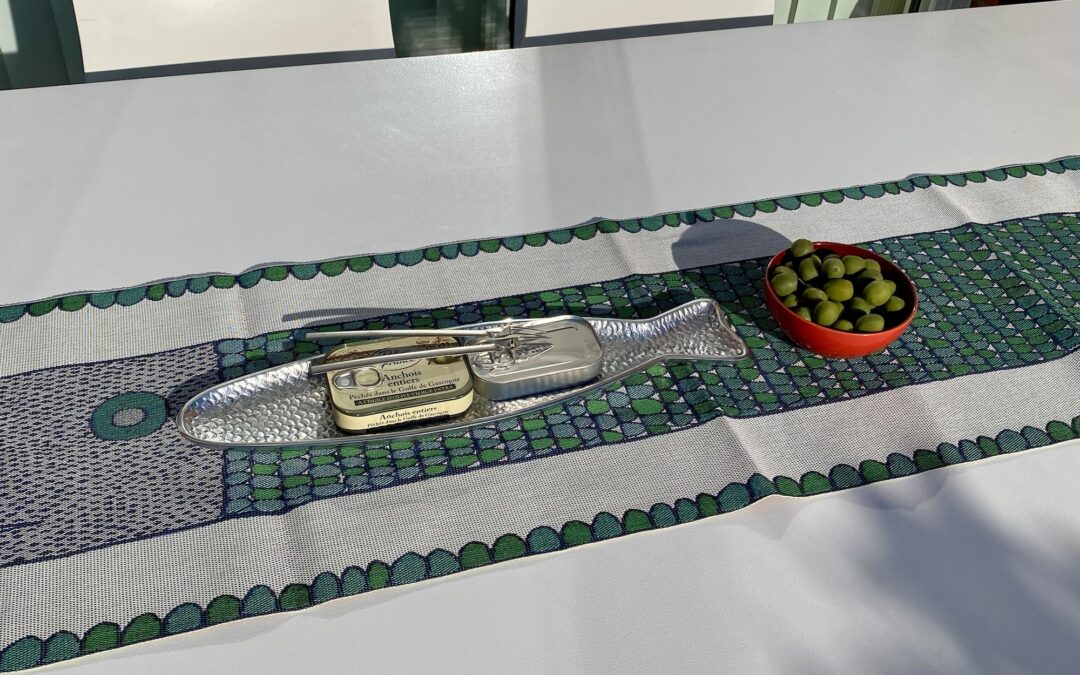
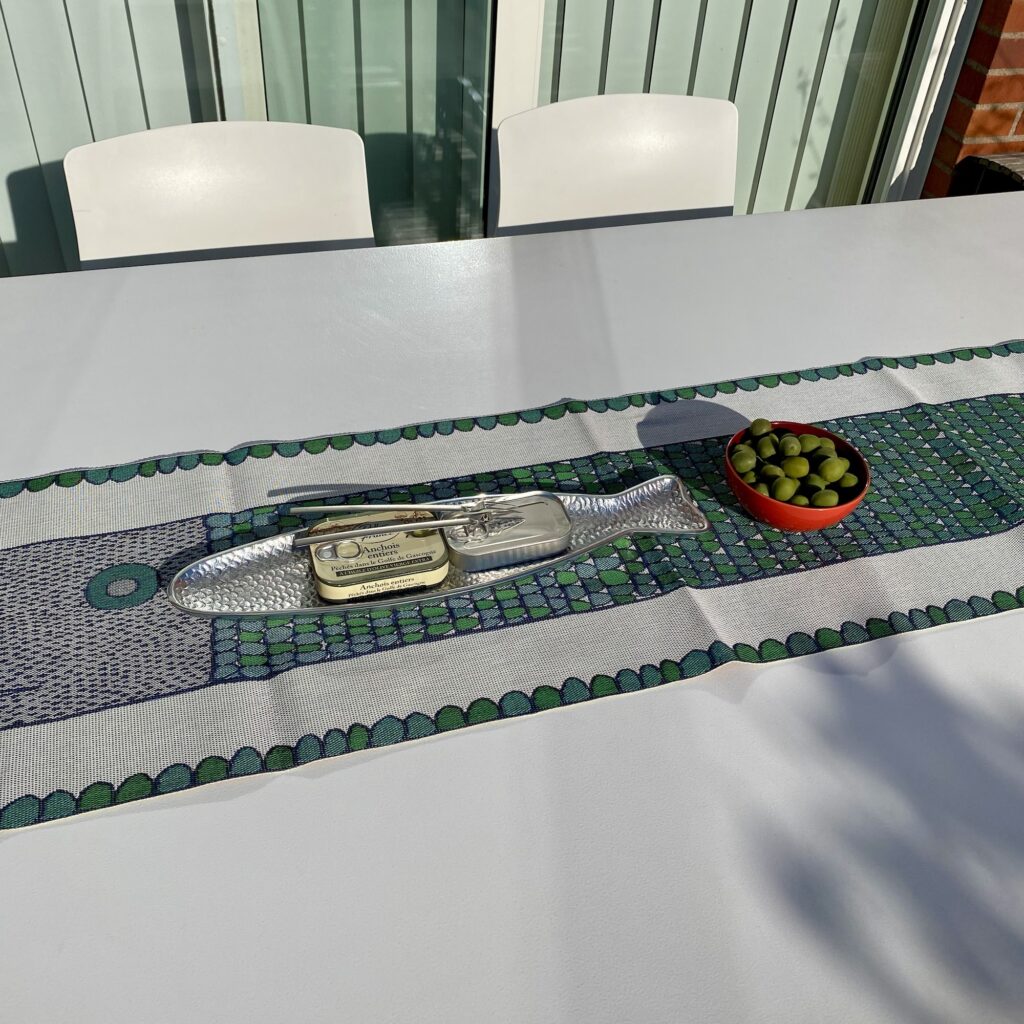
The table is by EMU, the Italian outdoor furniture manufacturer founded in 1951. The chairs are polypropylene models from Vitra, the Swiss furniture company known for its long collaboration with leading international designers.
As sardines are on today’s menu, the table runner features Stig Lindberg’s fish motif, woven by Ekelund Linneväveri. Lindberg was one of Sweden’s leading designers, working across porcelain, textiles and graphic design. Ekelund has a long tradition of textile production in Sweden.
The sardines will be served on the Fish & Fish aluminium platter by Serax, designed by Paola Navone. The olives are presented in a Le Creuset stoneware bowl.
So this is the framework. Next comes the porcelain, glassware, cutlery and, finally, the food.
Take me back where I hear water flowing. Where I see butterflies to-ing, fro-ing. And please don’t tell me anything. I’d rather fall into your surprises.
And I answered:
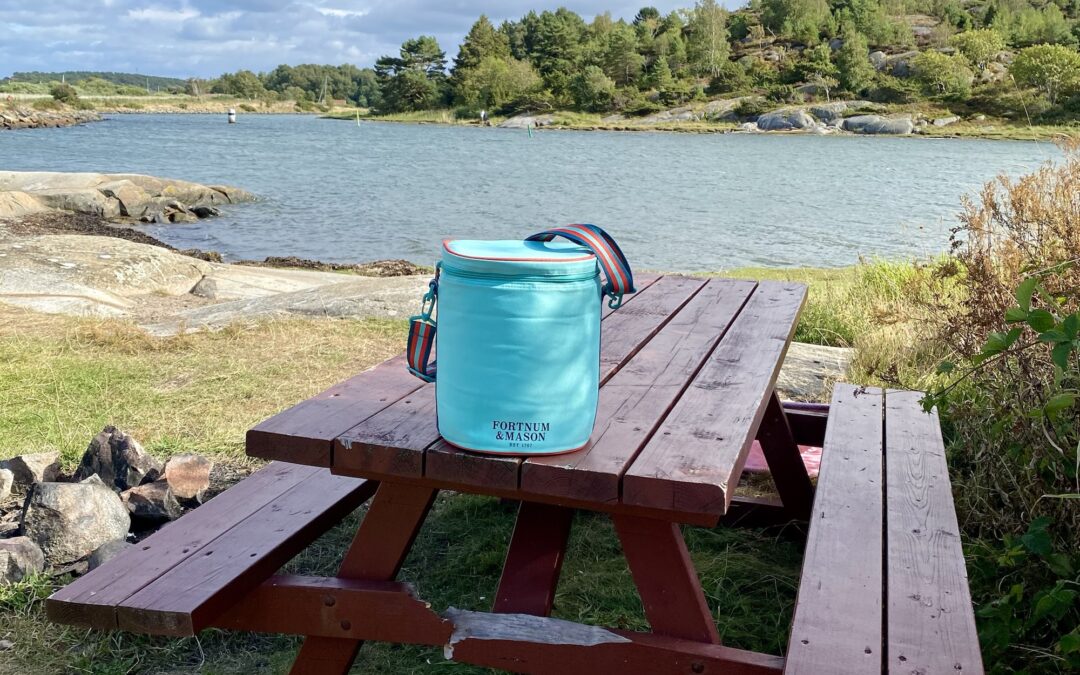
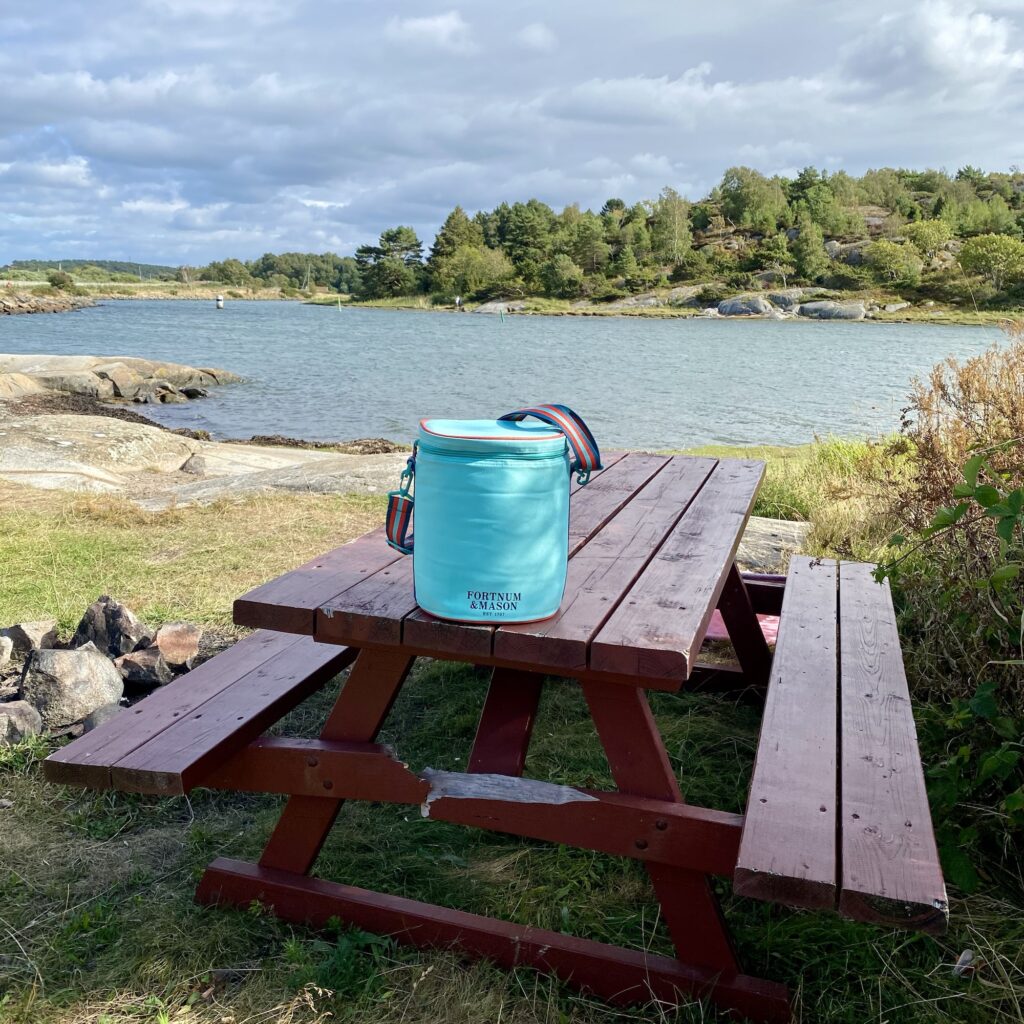
Then let me pack my favourite Fortnum & Mason picnic bag with a few surprises, and let’s slip away to my secret bay, just around the corner.
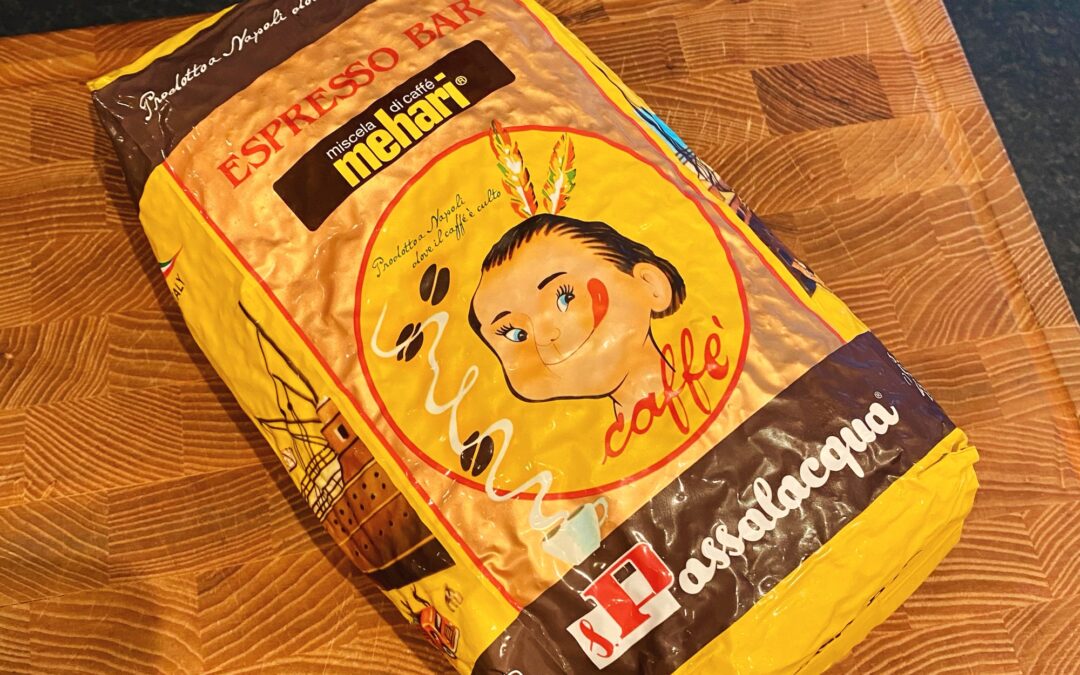
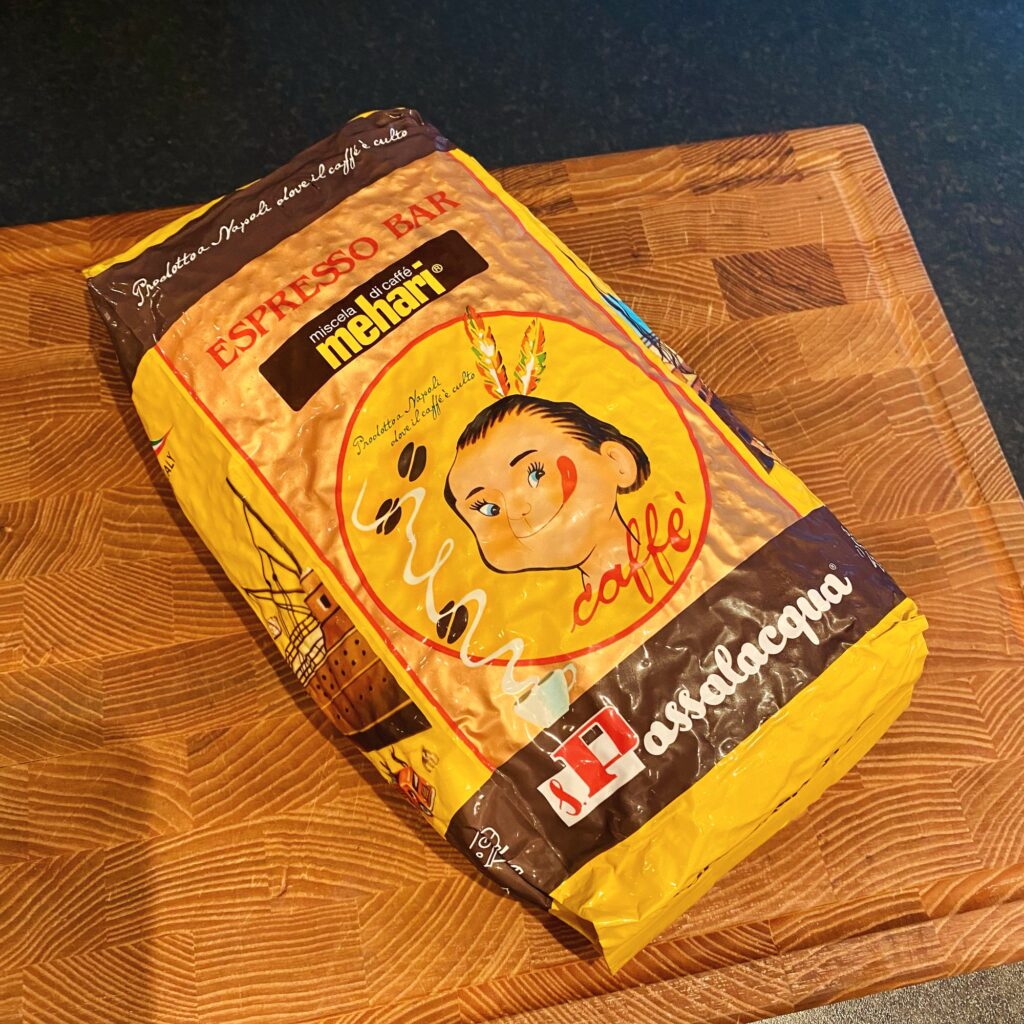
My Smeg espresso machine is now loaded with Passalacqua Mehari, one of Naples’ most iconic espresso blends. Rich, full-bodied and beautifully balanced, it delivers the deep chocolate notes, roasted nuts and lingering finish that define true Neapolitan coffee culture.
Passalacqua has been roasting coffee in Naples since 1948, and Mehari captures everything I love about a southern Italian espresso.
Closer to Naples, without actually being there, is probably impossible.