
I fight and keep my body warm
“I fight and keep my body warm
A dream of mother's loving arms”
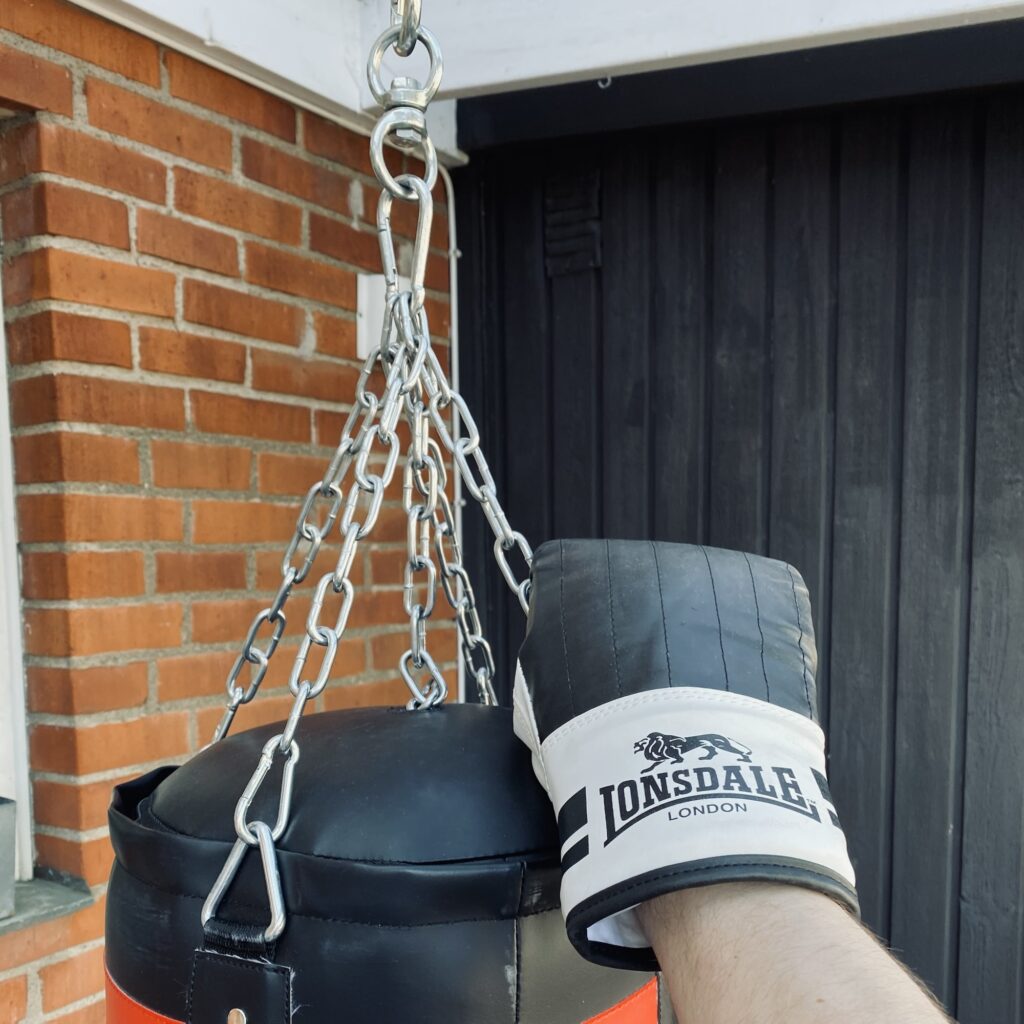

“I fight and keep my body warm
A dream of mother's loving arms”
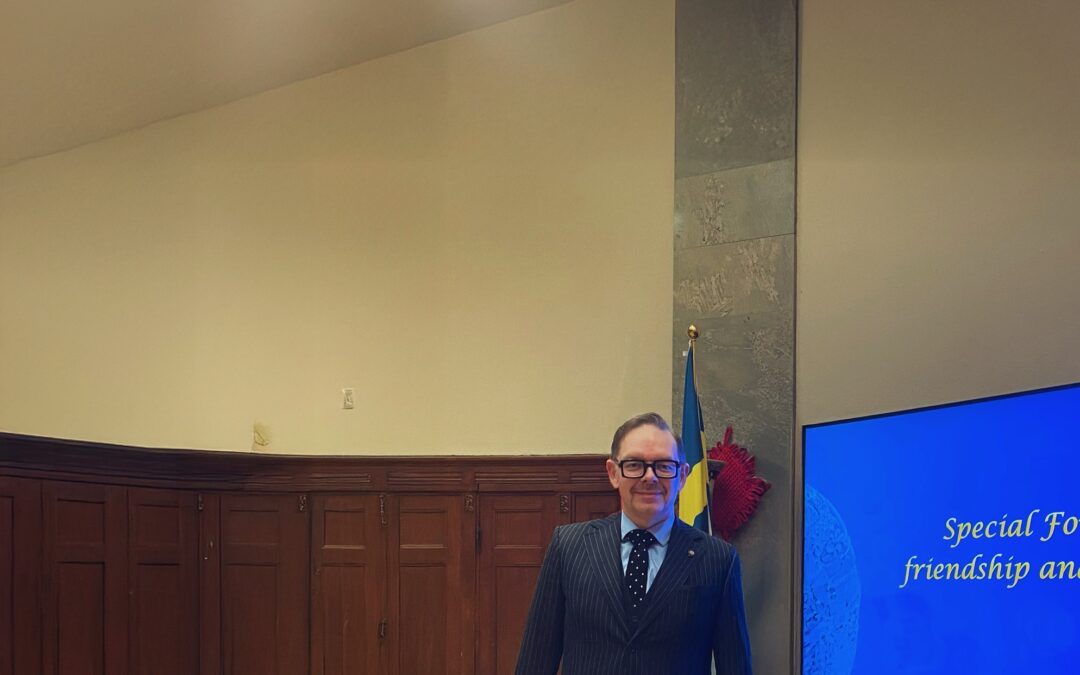
I participated in a roundtable dialogue on the development of global trade between our continent, Europe, and other regions of the world.
In my key points, I focused on the current uncertainties affecting the situation, while emphasizing that Europe will continue its long-term development, guided by frameworks established in the past, evolving today, and shaping tomorrow.
Europe developed into a leading part of the world largely because of its geography: navigable rivers, fertile land, and a fragmented landscape that encouraged competition and innovation. Its coastlines and access to sea routes fueled exploration and the rise of global empires. Agricultural surpluses enabled specialization, driving the Renaissance, the Scientific Revolution, and the Industrial Revolution. Europe’s legal and financial systems further reinforced its growing power. Geography set the conditions for Europe’s global influence, rather than any claim to cultural superiority.
At the same time, Europe’s fragmented geography, with many small competing states, not only fostered innovation and economic growth but also encouraged the development of political systems based on negotiation, representation, and, eventually, democracy.
Because no single power could dominate the continent for long after the fall of Rome, citizens and smaller states increasingly demanded a say in governance to protect their interests. Over centuries, this competitive environment gave rise to parliamentary systems, constitutional monarchies, and elections.

The future of business development is set for transformative changes on multiple fronts.