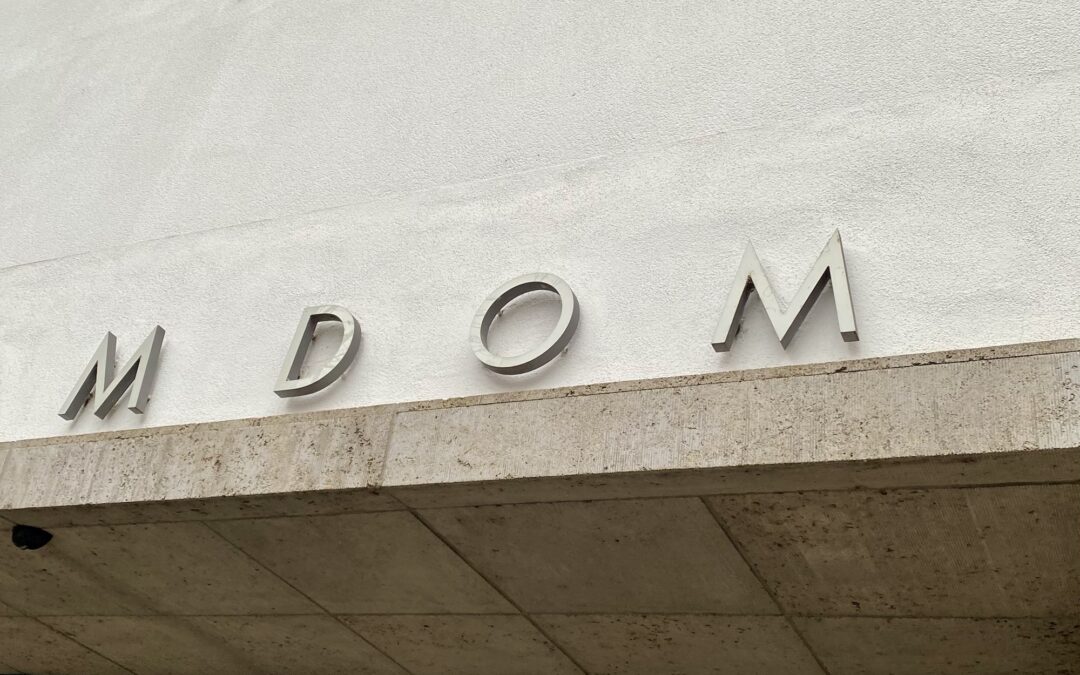
Guten Morgen. There’s something special about signage, Germany, and the design culture that shaped them. Much of it is rooted in the Bauhaus revolution (1919–1933), which championed a simple yet powerful idea: Design should be universal, functional, and built from pure geometry.
No wonder it’s easy to fall in love with this aesthetic — just as I am now.
This is Futura, the most successful geometric typeface in history. It emerged in 1927, created by the German designer Paul Renner, and it captured the optimism of the early industrial age with remarkable precision.
And it’s so beautiful. Ich bin verliebt.
Signage with the letters 'M DOM' on a building facade.
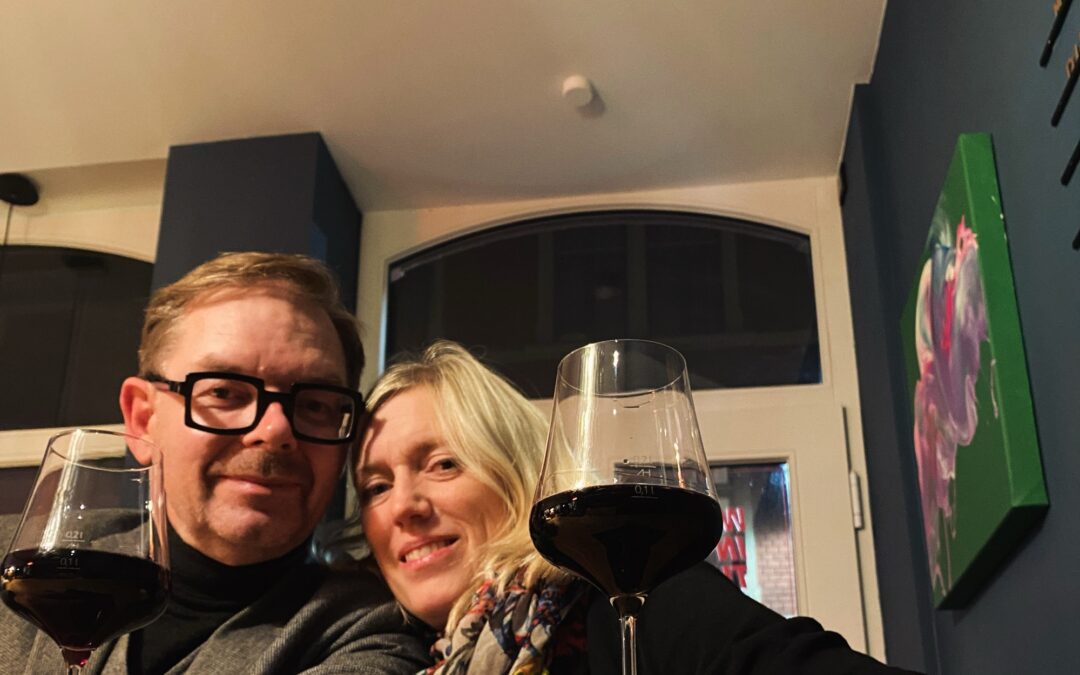
Served at the marvelous Wine in the Hood — a true “restobar” bringing a cosmopolitan wine-and-social vibe to the city of Wiesbaden. Simply outstanding.
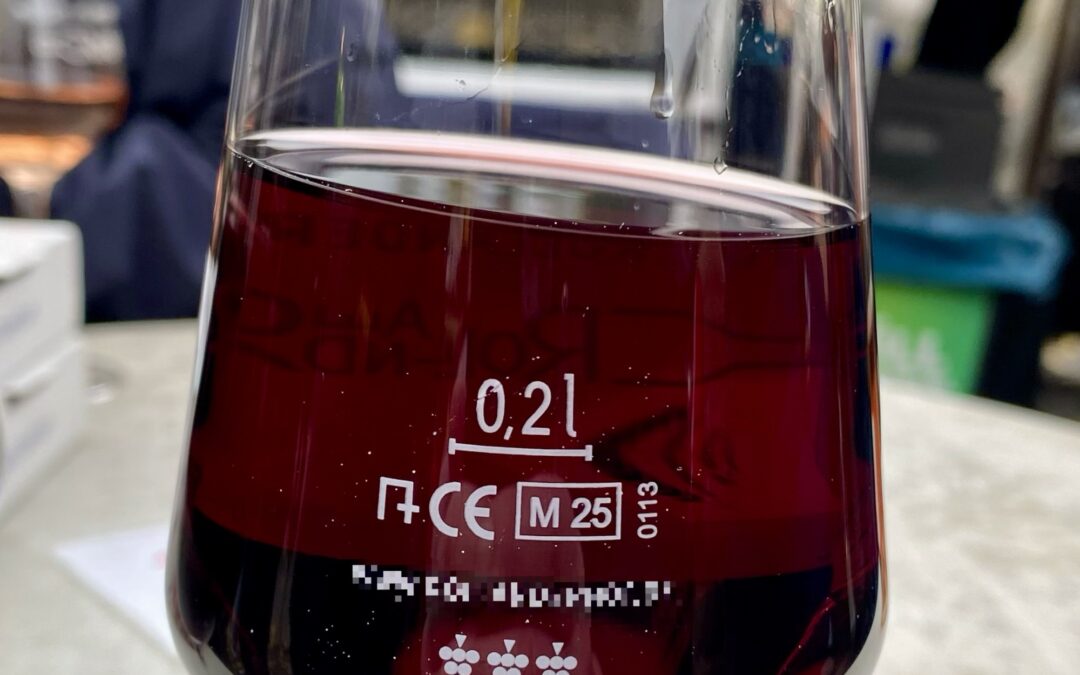
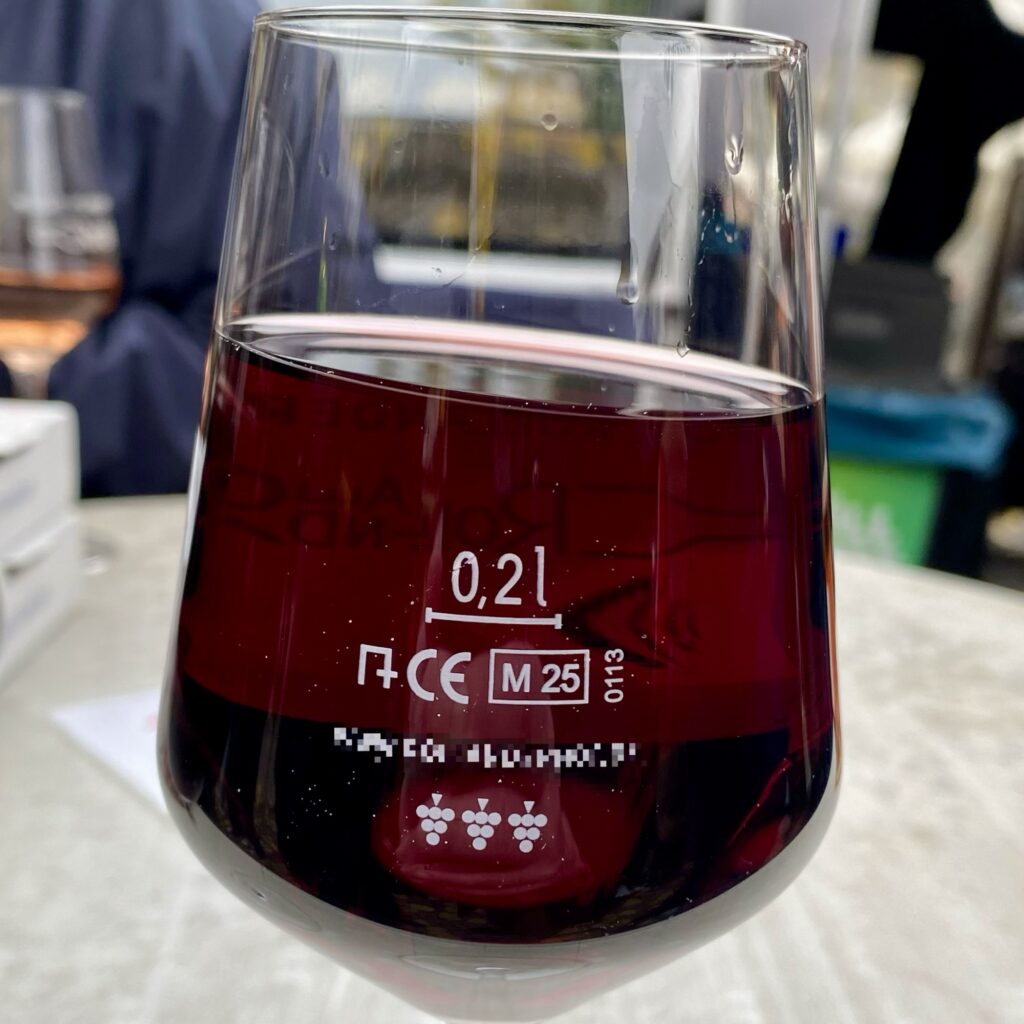
I’m getting along very well with the local wine farmers at the wine bar in the Market Hall in Frankfurt. Whenever I order a 0.2 glass, they generously pour almost double. So it is with a local Spätburgunder — they treat that glass with the same generous hand.
A glass of red wine with a measurement line visible.
Watching modern art by Arman, especially his Accumulation Renault, reveals this connection in action. A central figure of the Nouveau Réalisme movement, Arman transformed everyday industrial objects into striking visual statements, reminding us that innovation often emerges where commerce and creativity meet.
Taking a board to a living workshop, arranged by my team, to an art museum highlights the enduring link between art and business. Renault’s involvement shows how a brand can move beyond industry, using creativity to shape identity, culture, and strategic visibility.
Two people sitting on a bench with shadows on the wall.
There are moments when a city walk requires emotional pauses. Moments when you simply cannot move forward without reconnecting to something greater than yourself.
I began my walk by looking up at the sky, searching for faith. Along the way, the silent saints along the façades watched over me, and an echo rose in my mind, the voice of Martin Luther King Jr., calling us to the mountaintop. A reminder that the vision is bigger than me. From that height, King said he could “see” the future.
In the presence of these silent saints, I felt the same sense of perspective, a calm, elevated view.
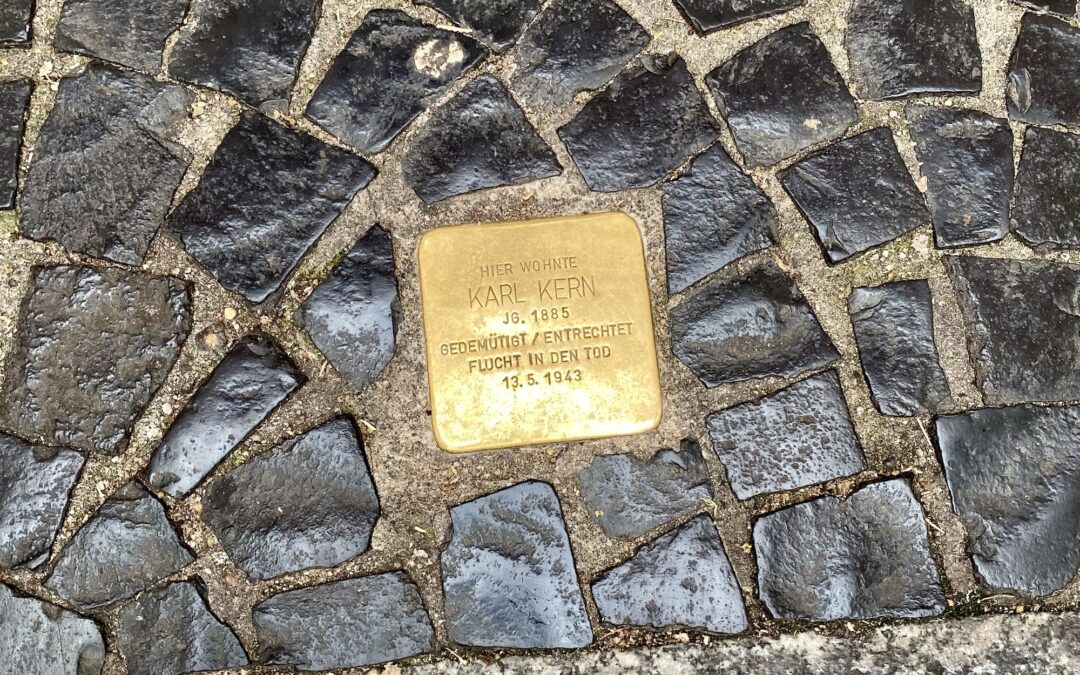
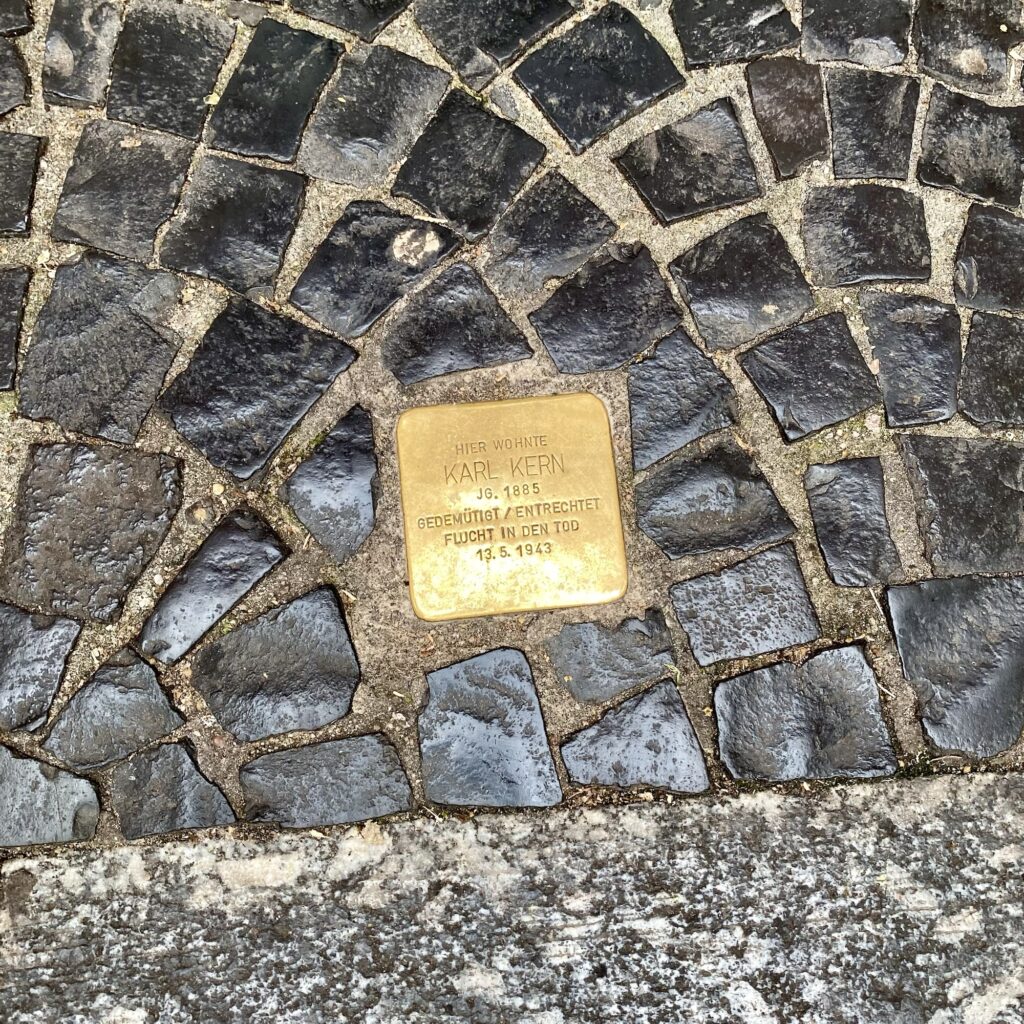
But as I continued, I lowered my eyes to the ground, noticing the plaques embedded in the streets. I stopped for a moment, bowing my head, and searched for the words of Desmond Tutu. I could almost hear his voice beside me, gentle, human, unmistakable:
“My humanity is bound up in yours, for we can only be human together.”
I took another step. I knew this walk would be long today. Yet I carried Tutu’s reminder with me:
“A person is a person through other people.”
Brass plaque commemorating Karl Kern, embedded in cobblestones.