Guten Morgen. There’s something special about signage, Germany, and the design culture that shaped them. Much of it is rooted in the Bauhaus revolution (1919–1933), which championed a simple yet powerful idea: Design should be universal, functional, and built from pure geometry.
No wonder it’s easy to fall in love with this aesthetic — just as I am now.
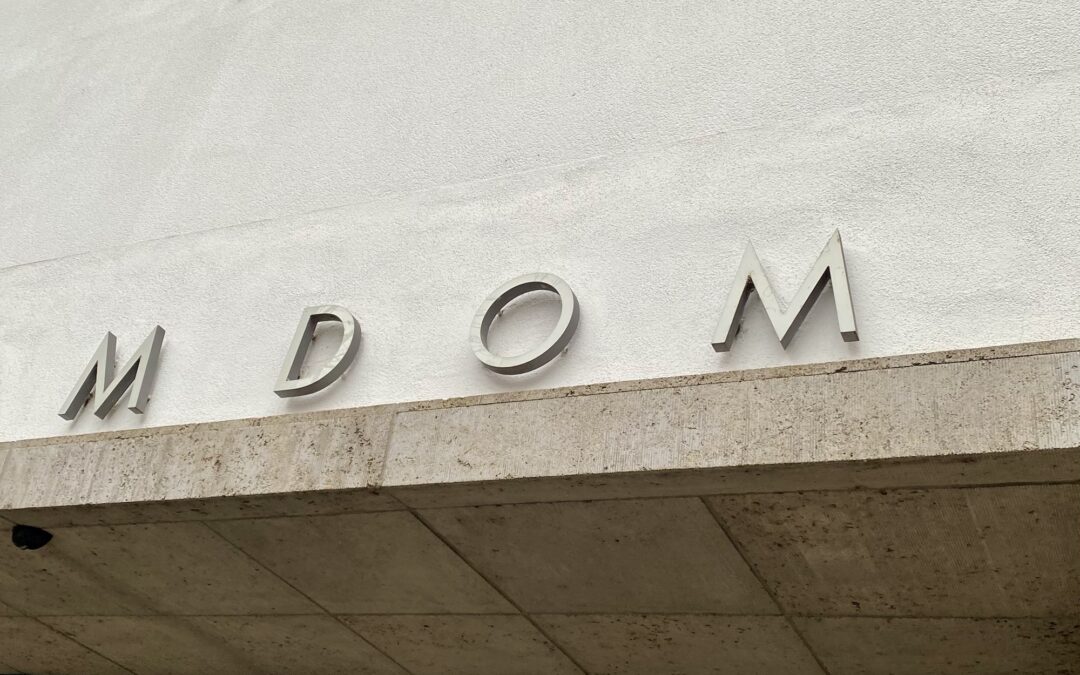
This is Futura, the most successful geometric typeface in history. It emerged in 1927, created by the German designer Paul Renner, and it captured the optimism of the early industrial age with remarkable precision.
And it’s so beautiful. Ich bin verliebt.
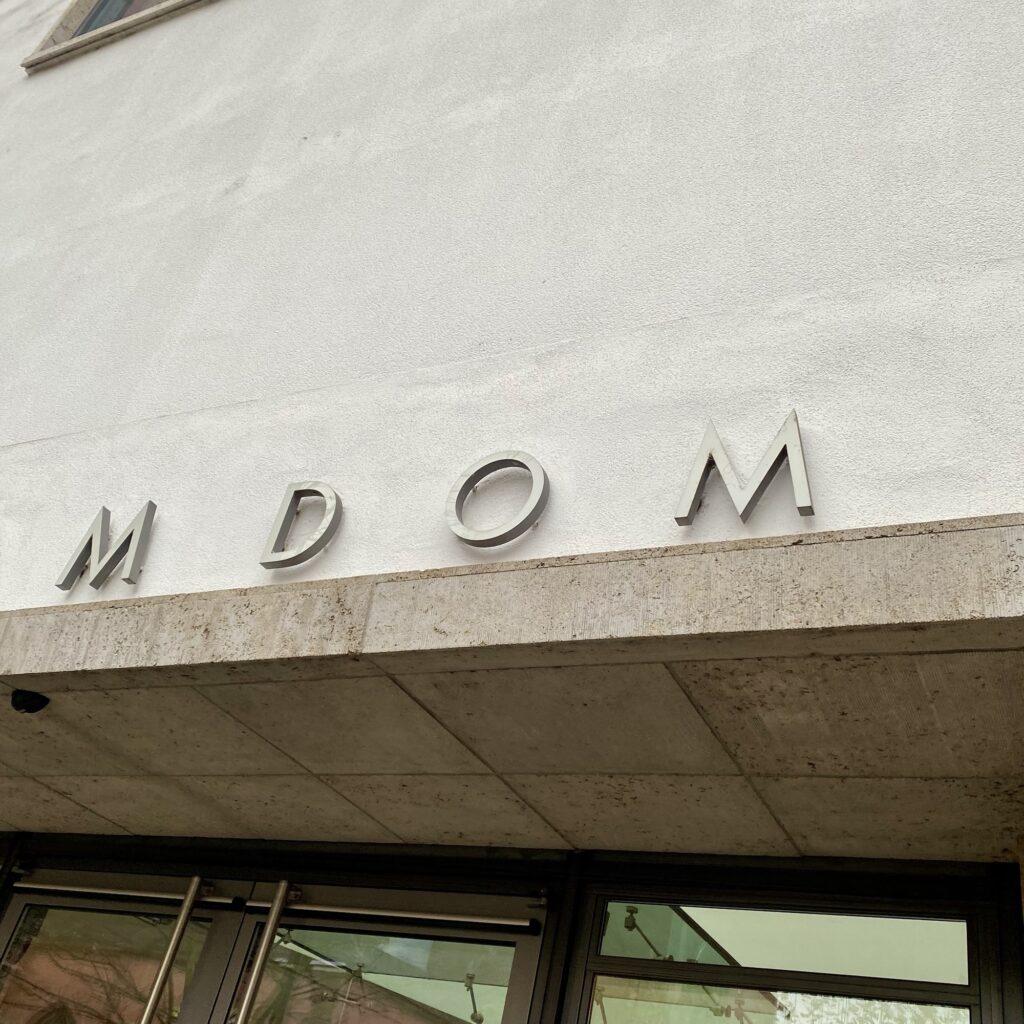
Signage with the letters 'M DOM' on a building facade.
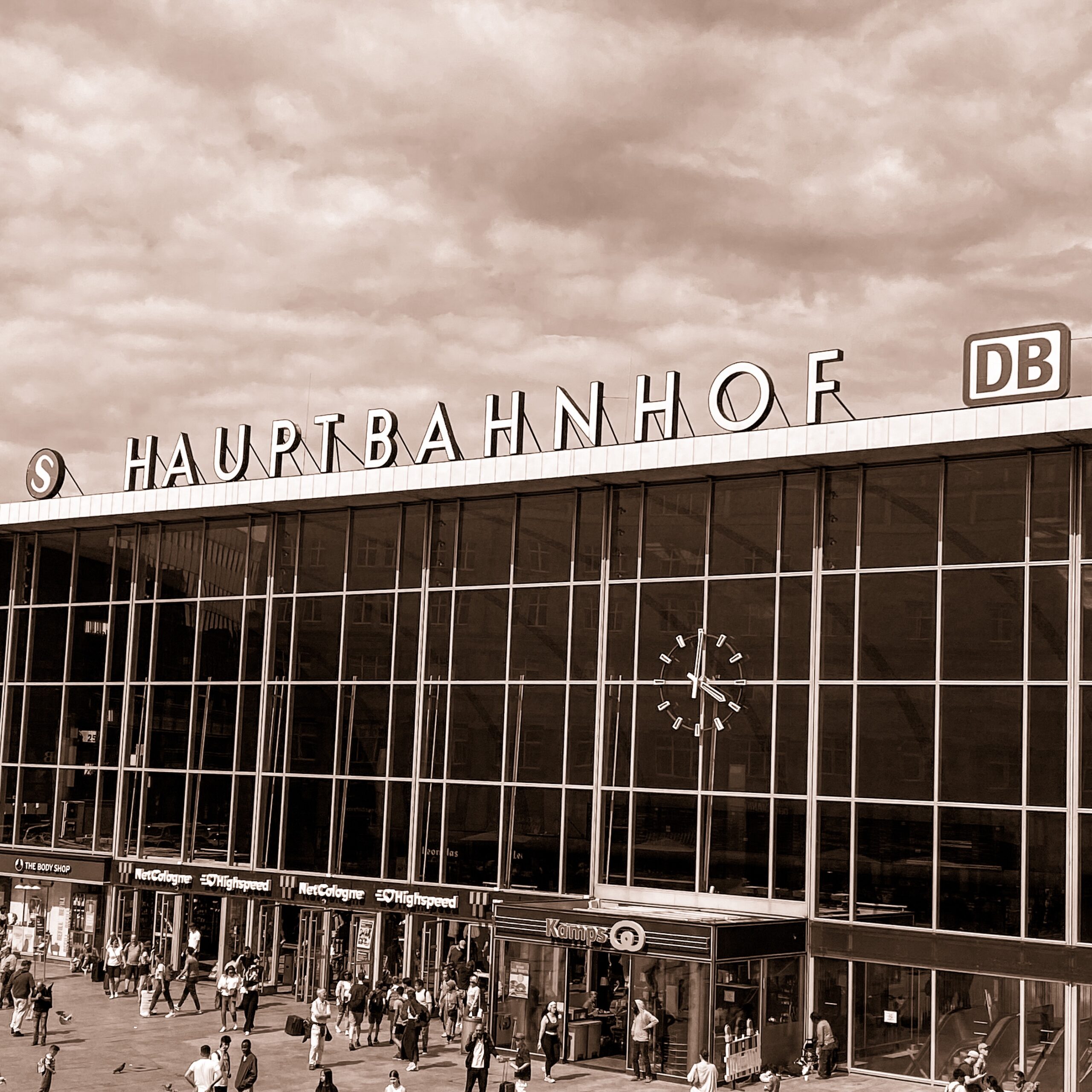
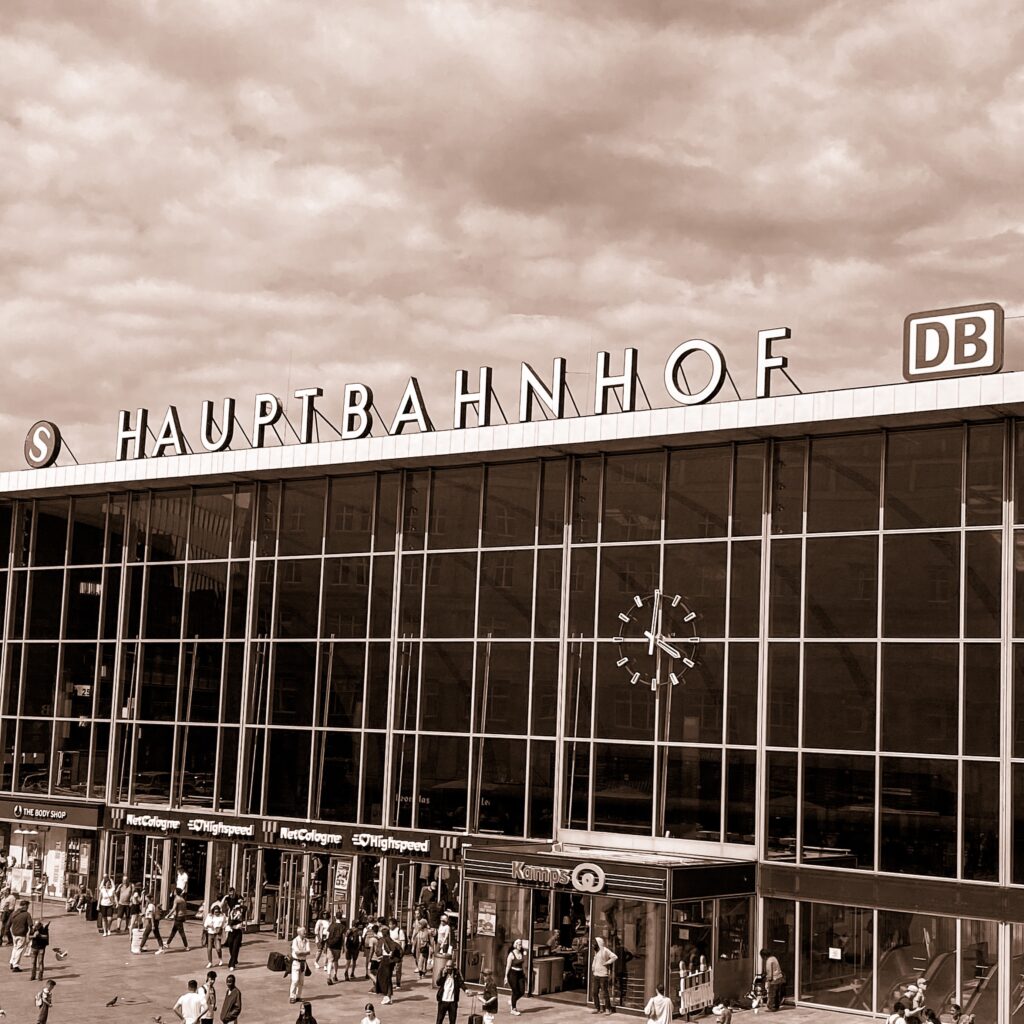
The Hauptbahnhof sign, with its iconic font, has captivated my heart. As a designer, I am completely enthralled by the harmonious sign language presented by Deutsche Bahn. Even though I've transitioned more towards management assignments and away from regular design production, the sight of this sign instantly transports me back to my creative roots. Its irresistible energy rekindles my intrinsic passion for design. With some quarterly reports to manage soon, I'm considering drawing upon this Futura inspiration.
Bahn-Futura, also known as Bahnhofsfutura, is a geometric variant of Paul Renner's 1927 Futura typeface, designed by Theodor Dierksmeier in the mid-20th century. These hand-painted signs, crafted between 1956 and 1988, often display subtle differences from their original templates, yet they remain a defining characteristic of German railway stations.