Moments of Elegance at the Palace
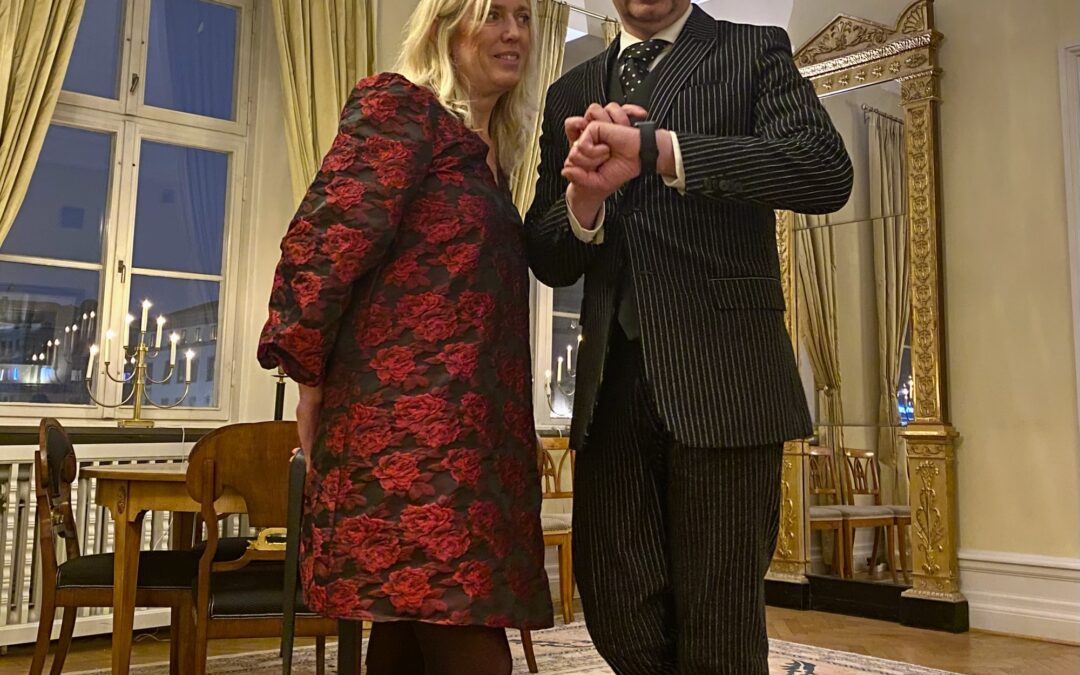
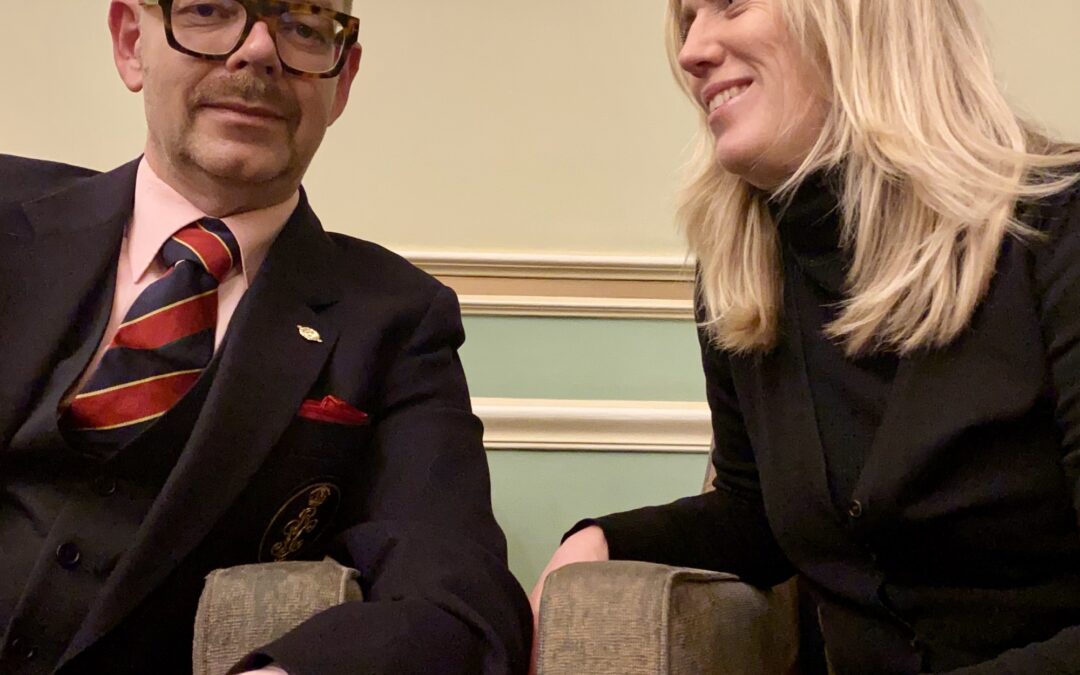
Captured in the moment, surrounded by timeless elegance, it’s a question of time before we step into the dining room for the annual reception at the historic Palace, hosted by the governor.
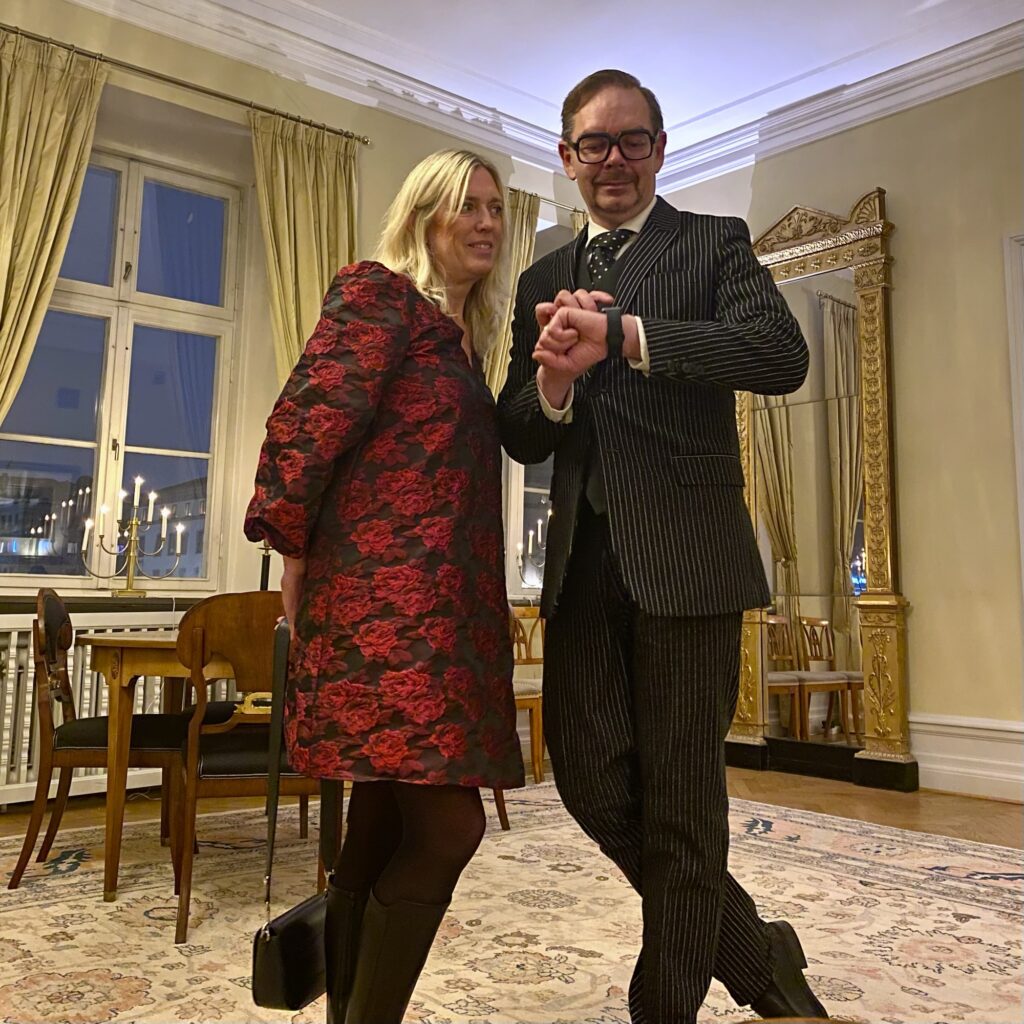
Captured in the moment, surrounded by timeless elegance, it’s a question of time before we step into the dining room for the annual reception at the historic Palace, hosted by the governor.
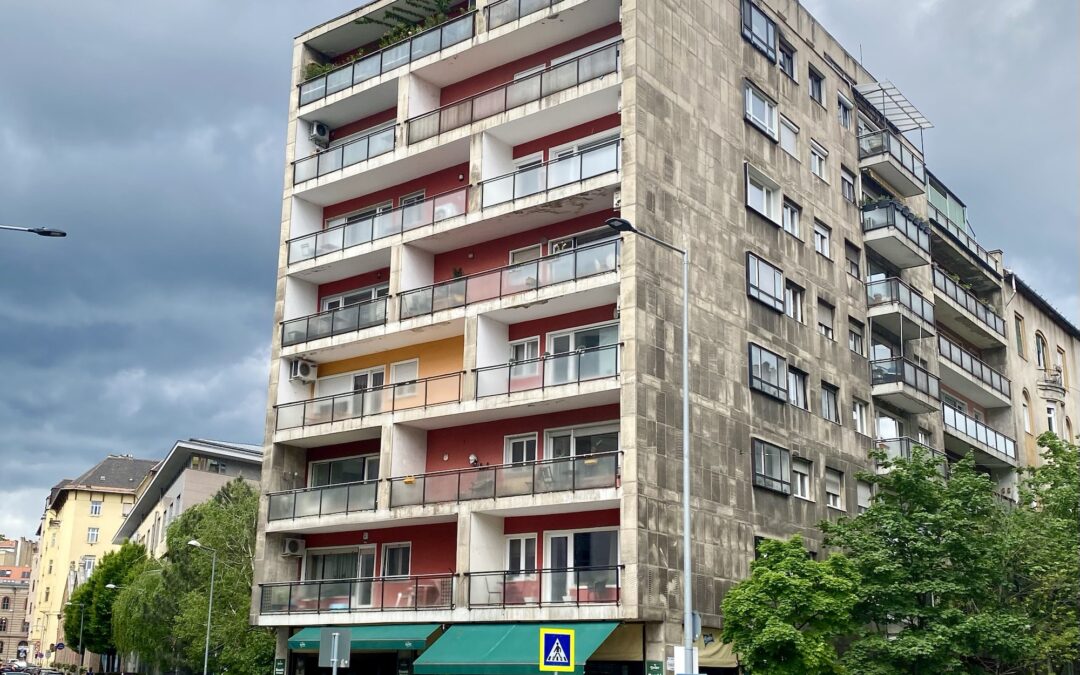
I want to be like the people in Budapest, experiencing what they did during the times of Socialist Modernism and Brutalism. We took the tram to the Buda side, unsure why, but I knew we had to start somewhere. So, it began at a random tram station.
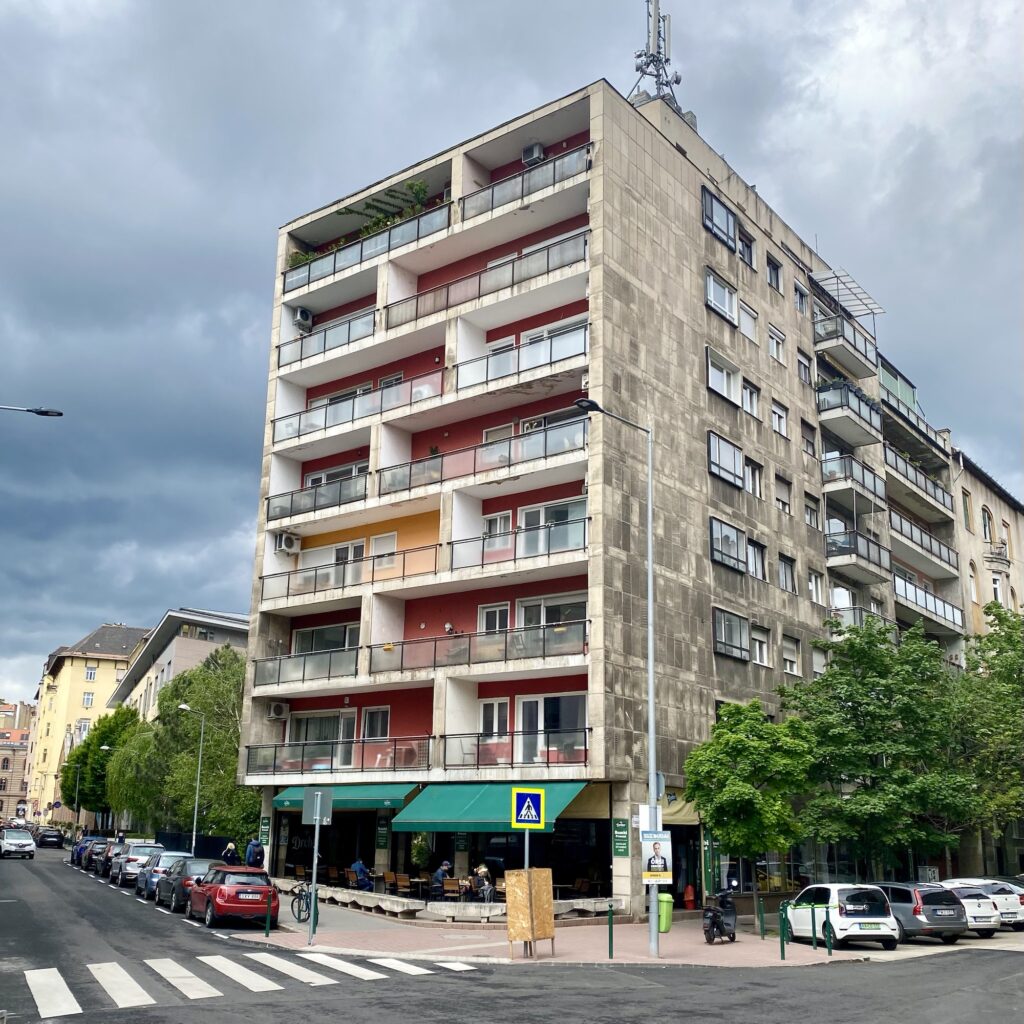
As we walked through the park, I noticed a house characterized by simple, geometric forms and a lack of ornamental detailing. ‘Pretend we’re back in the era of Brutalism,’ I suggested. You simply replied, ‘Oh, you’re a time machine.’ ‘Yeah,’ I said.
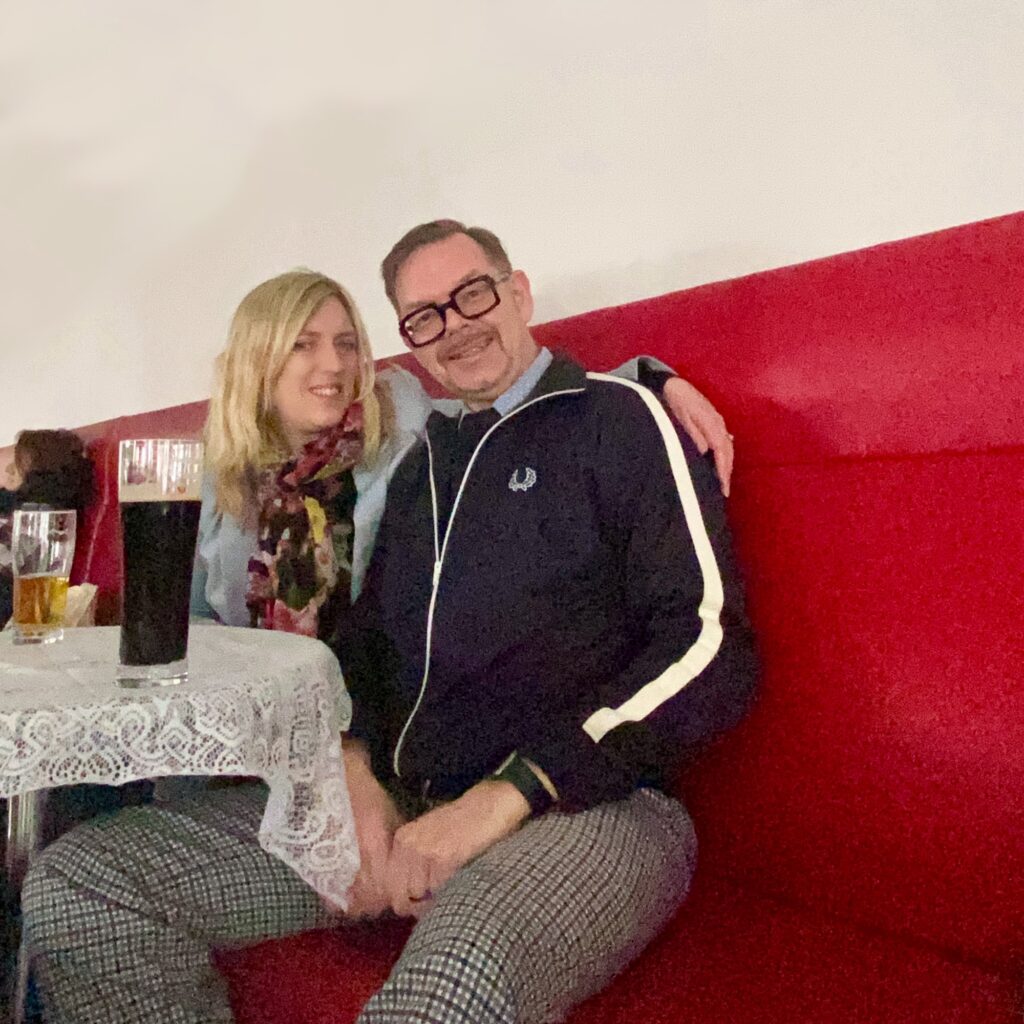
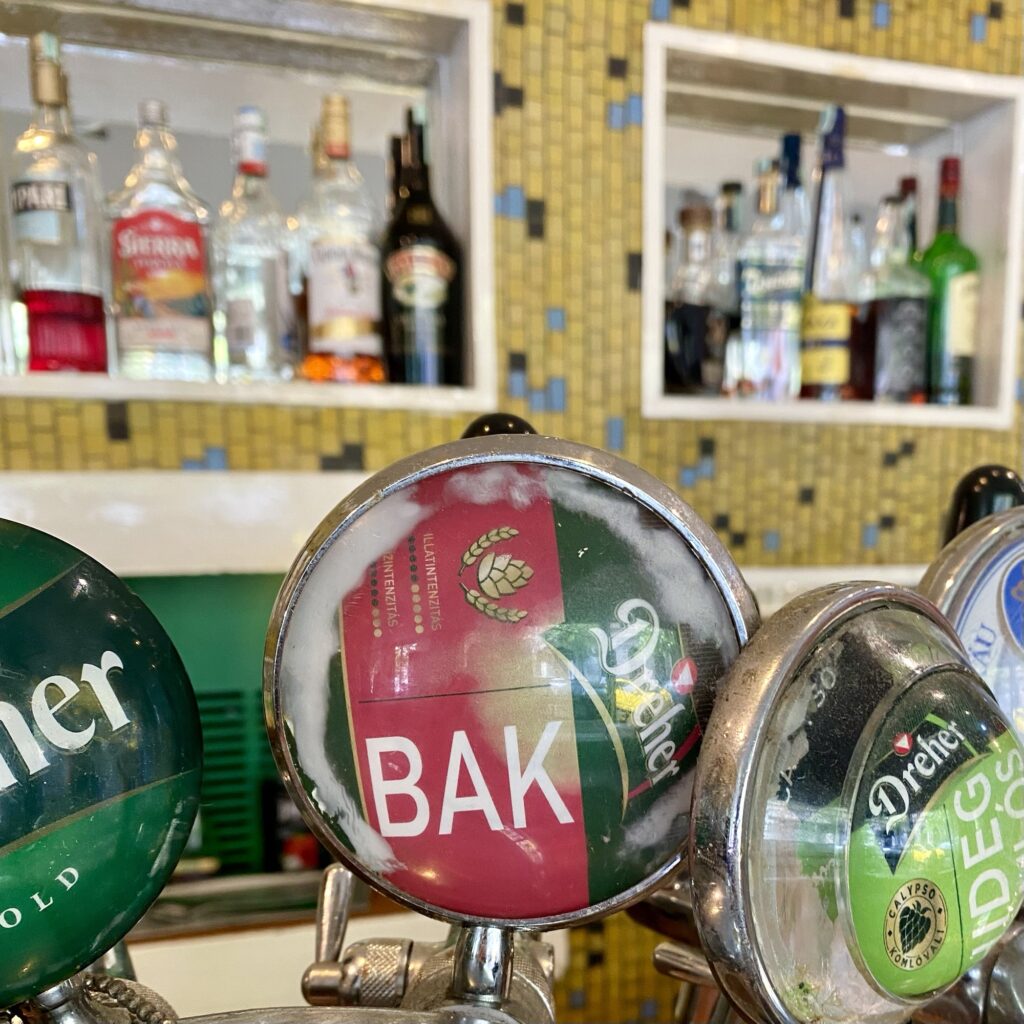
We found a bar on the ground floor, where the indoor design echoed a collective society: rugged, with raw concrete as the primary material, complemented by traditional Hungarian patterns. Notice the house facade, the red galleon sofa, and the style of tiles behind the bar.
Wanting to further immerse myself in the Budapest experience, I started to appreciate Dreher Bak, a double bock with a full-bodied dark flavor and a hint of caramel.
The Almighty asked me, ‘Which age would you like to live in?’ My answer led me through Hungary to Budapest in 1956. I find myself in the old man in this trailer; my eyes mirror his, looking back in time to the era of heroes. I see the masses of people in Budapest rising up in 1956.
When it is dark enough, you can see the stars of Europe. So, I made the decision to book a ticket to Budapest. I will be the old man in the trailer on the streets of Budapest, yes I will, and the stars will shine brightly.
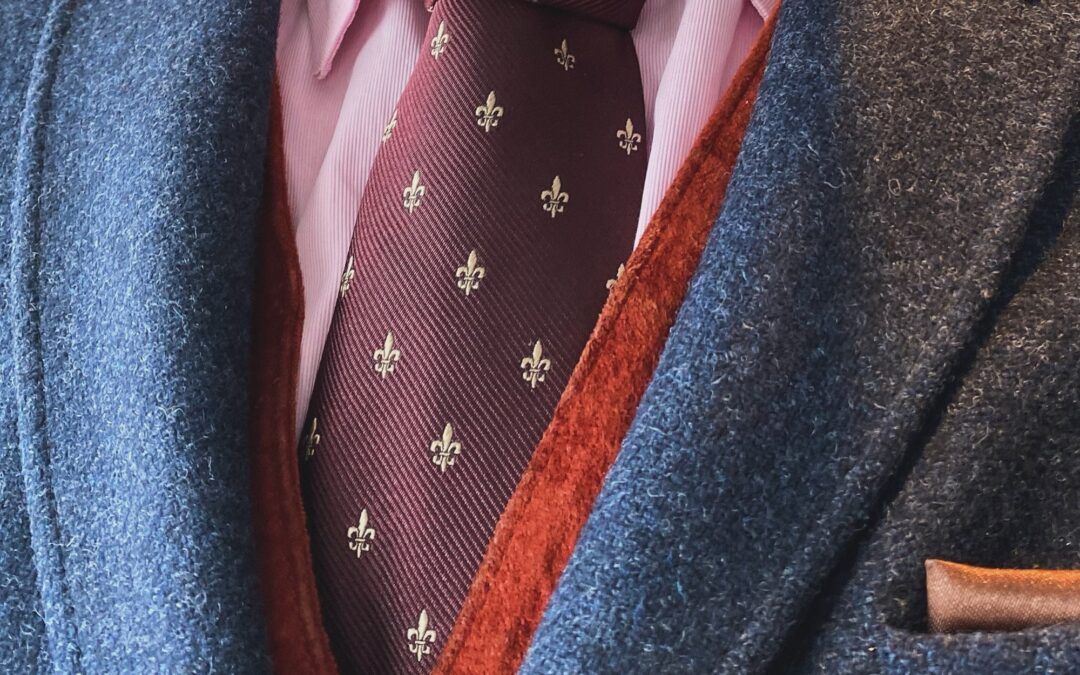
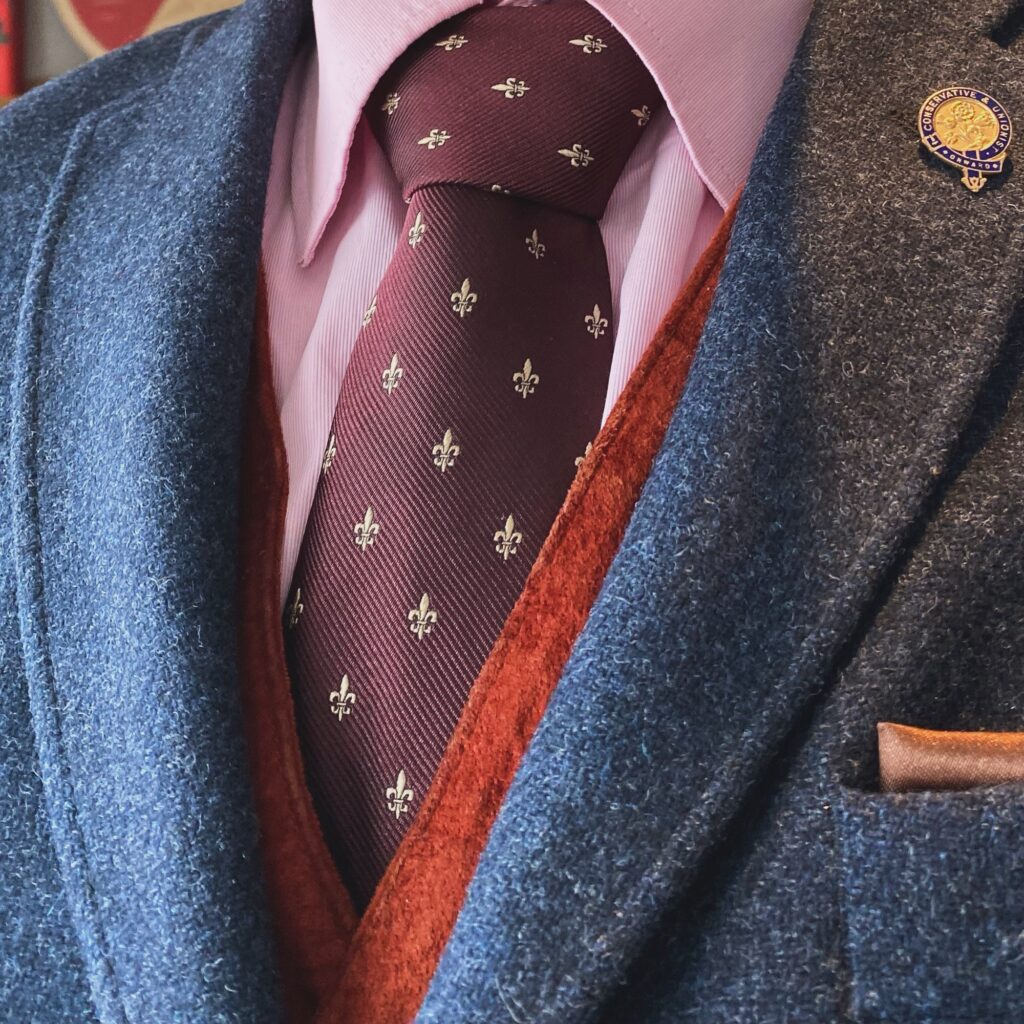
This is one of my favorite ties, adorned with a Fleur-de-lis pattern, a gift from a dear friend who has significant Hungarian connections.
The Fleur-de-lis is not just a symbol; it’s a kind of magic that resonates within your soul and mind, enduring across millennia, echoing Hungary’s own survival as a nation-state for over a thousand years.
It was Charles I, King of Hungary, who skillfully incorporated the Fleur-de-lis into the national coat of arms, blending it with the traditional per pale design of the Angevins, the Capetian dynasty in France who ruled and developed selected parts of Europe.
Time to summarize, reflecting on all impressions and distilling the atmosphere into key points.
After a tour through St. James’s Square—a place characterized by a mix of corporate headquarters, private residences, and members’ clubs—it’s clear why it’s a significant location for businesses. It’s also home to my favorite club in the city. The East India Club.
Located in St. James’s Square, this private members’ club was originally founded for officers of the British East India Company, a key institution in the British Empire.