In a Board of Directors workshop on the results: revenue increased to approximately SEK 900 million; reuse initiatives led to savings of around SEK 90 million and a reduction of about 2,500 tonnes CO₂e in emissions, while flexible financing contributed to strengthened operational readiness in the core business.
For over two years, I’ve operated at the intersection of human intuition and AI. Each business day, I’ve embedded artificial intelligence into sharp, high-paced projects in the corporate world.
I’ve tested a wide range of systems across different tasks, and one thing is clear: the most effective tools don’t always come from the tech giants. Still, Google and Adobe have made notable strides this year.
Right now, the platforms that stand out most are ChatGPT, Grok, Claude, Runway, and Midjourney. Claude has become a reliable engine for managing complex data, while ChatGPT continues to broaden its capabilities with each update.
Several emerging AI solutions from Asia show promise, though they’re not yet stable enough for daily use. The pace of change is rapid—new tools enter my workflow almost every day.
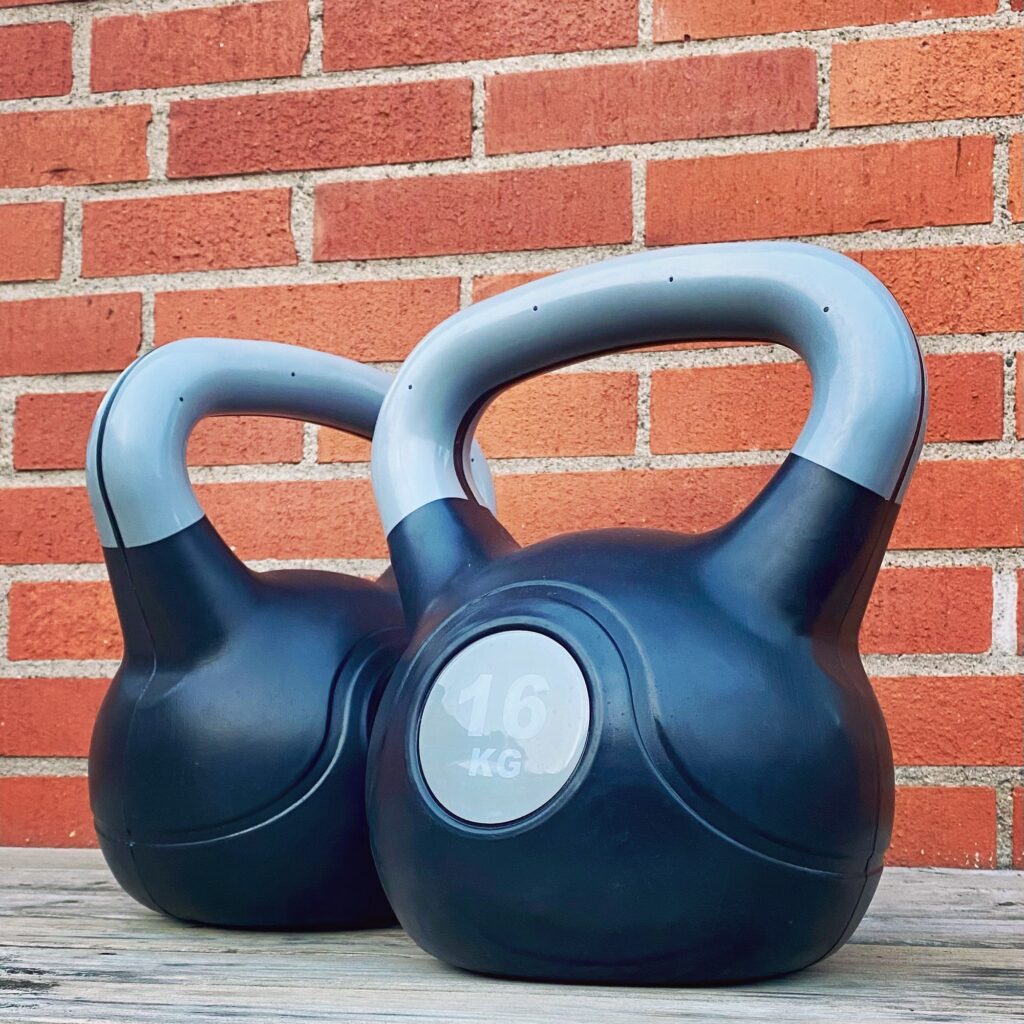
Going to the gym while listening to President Ronald Reagan’s iconic speech at the Berlin Wall, highlighting the West’s ability to foster entrepreneurship, innovation, and growth. Arguing that freedom leads to technological and economic advancement, unlike the stagnation and repression of the centrally planned system he denounced on the other side of the Wall.
I was elected as a board member of a foundation with a heritage-listed property. The foundation allocates apartments according to its founding charter.
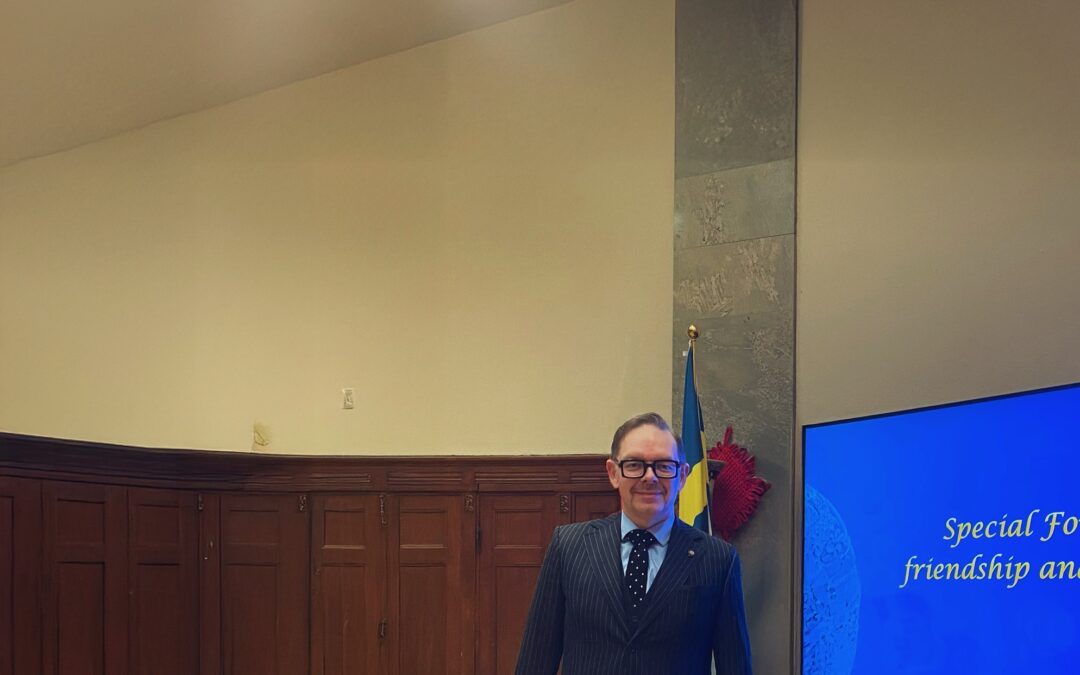
I participated in a roundtable dialogue on the development of global trade between our continent, Europe, and other regions of the world.
In my key points, I focused on the current uncertainties affecting the situation, while emphasizing that Europe will continue its long-term development, guided by frameworks established in the past, evolving today, and shaping tomorrow.
Europe developed into a leading part of the world largely because of its geography: navigable rivers, fertile land, and a fragmented landscape that encouraged competition and innovation. Its coastlines and access to sea routes fueled exploration and the rise of global empires. Agricultural surpluses enabled specialization, driving the Renaissance, the Scientific Revolution, and the Industrial Revolution. Europe’s legal and financial systems further reinforced its growing power. Geography set the conditions for Europe’s global influence, rather than any claim to cultural superiority.
At the same time, Europe’s fragmented geography, with many small competing states, not only fostered innovation and economic growth but also encouraged the development of political systems based on negotiation, representation, and, eventually, democracy.
Because no single power could dominate the continent for long after the fall of Rome, citizens and smaller states increasingly demanded a say in governance to protect their interests. Over centuries, this competitive environment gave rise to parliamentary systems, constitutional monarchies, and elections.