Europe regained not only its unity, but also the opportunity to rebuild and protect a way of life that belongs to one of humanity’s greatest civilizations.
I return to this speech regularly. Over the years, it has become a symbol of freedom’s victory. Today, it also serves as a reminder of the enduring values of the West:
“Freedom leads to prosperity. Freedom replaces the ancient hatreds among the nations with comity and peace. Freedom is the victor.”
Those words remain as relevant today in Europe, as they were in 1987.
In 1987, President Ronald Reagan visited West Berlin and delivered one of the most remarkable speeches of the twentieth century. For many, it became a defining moment on the road to Europe’s liberation from the Soviet bloc and helped inspire the reunification of a divided continent.
Europe regained not only its unity, but also the opportunity to rebuild and protect a way of life that belongs to one of humanity’s greatest civilizations.
I return to this speech regularly. Over the years, it has become a symbol of freedom’s victory. Today, it also serves as a reminder of the enduring values of the West:
“Freedom leads to prosperity. Freedom replaces the ancient hatreds among the nations with comity and peace. Freedom is the victor.”
Those words remain as relevant today in Europe, as they were in 1987.
I never made it to Pamplona to sit in Ernest Hemingway’s favourite café, take his seat, and look across the grand salon that inspired so many stories. Instead, I found my own places, just as Hemingway once did.
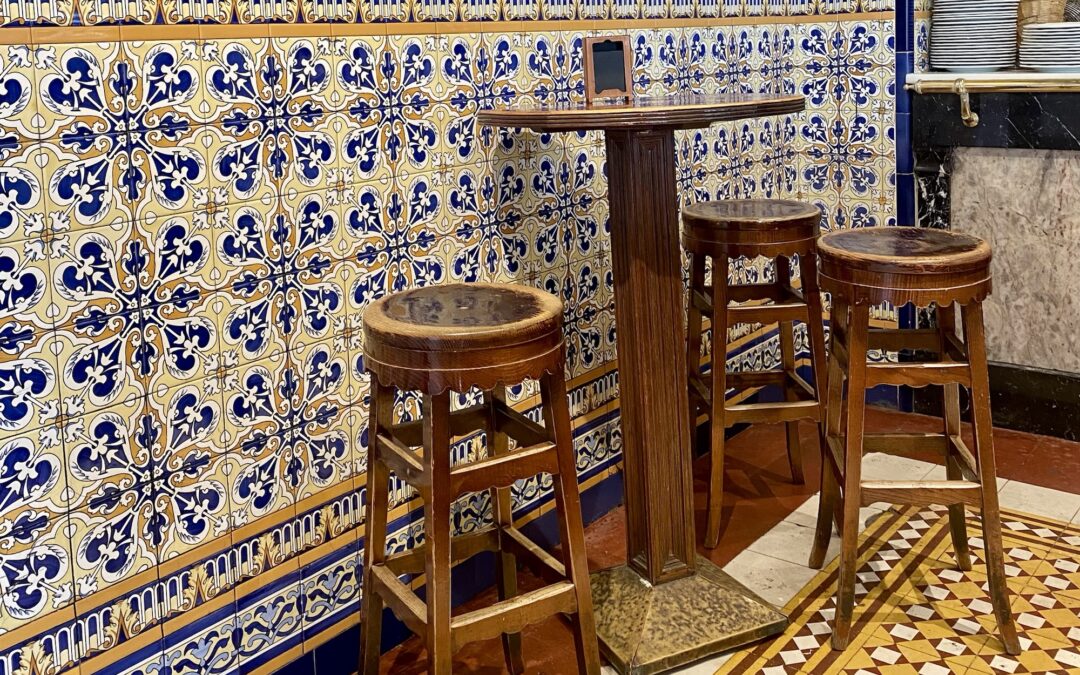
In Bilbao, I fell in love with Café Iruña almost instantly. It became my daily ritual. From early morning until late evening, I returned again and again for a cortado. My favourite seat was the one in the first image. The stunning Moorish interior, the lively atmosphere, the constant buzz of conversation, and the mix of locals and visitors kept drawing me back.
The second café was discovered entirely by chance. After driving the winding mountain roads, the landscape gradually opened into broad plains. Then I spotted a beautifully preserved 1970s SEAT, one of those simple cars that has quietly become a classic. I thought, “There must be something special here.”
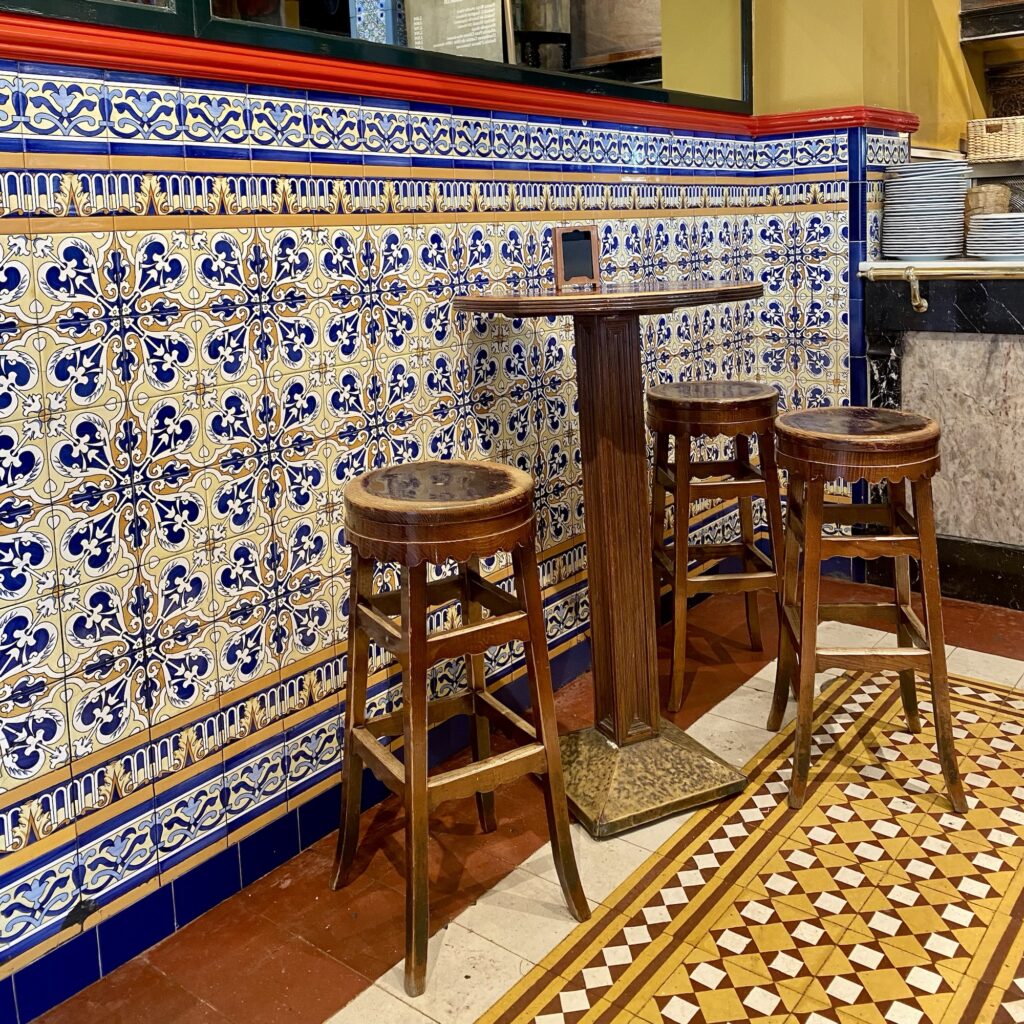
I followed the road into Alsasua and found Café Akeita. With its own coffee roastery and traditional local bar, it felt completely authentic. I was the only visitor from outside the village and probably the tallest man to walk through the door in weeks. Surrounded by elderly locals enjoying their morning conversations, I found my own seat, just as shown in the second image, ordered a cortado, and became part of the café for a little while.
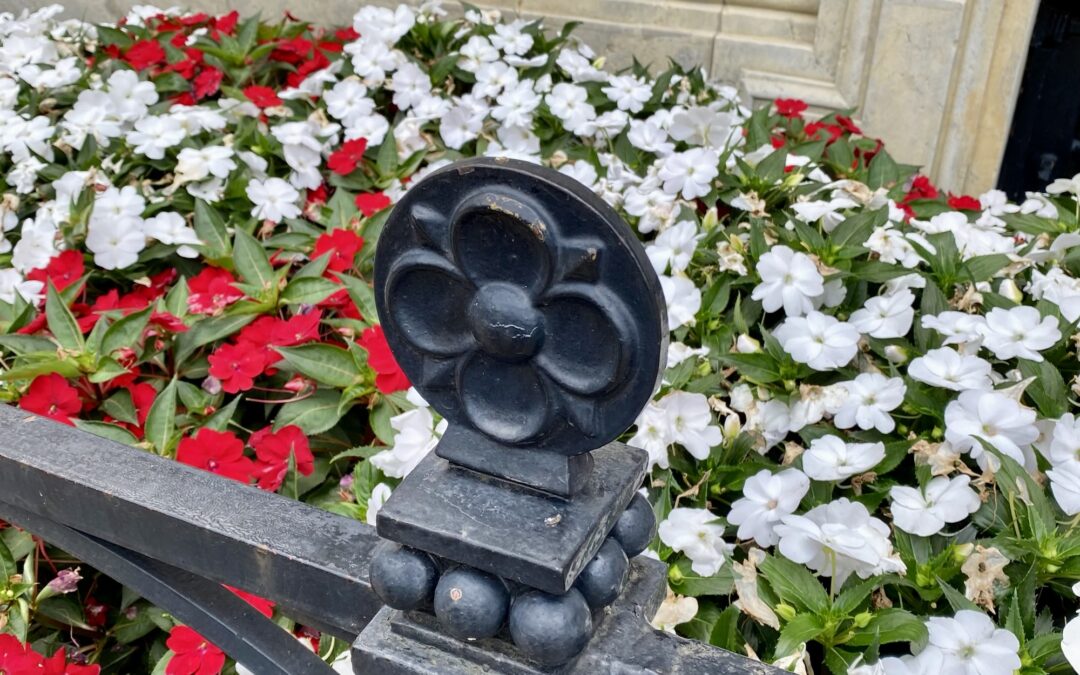
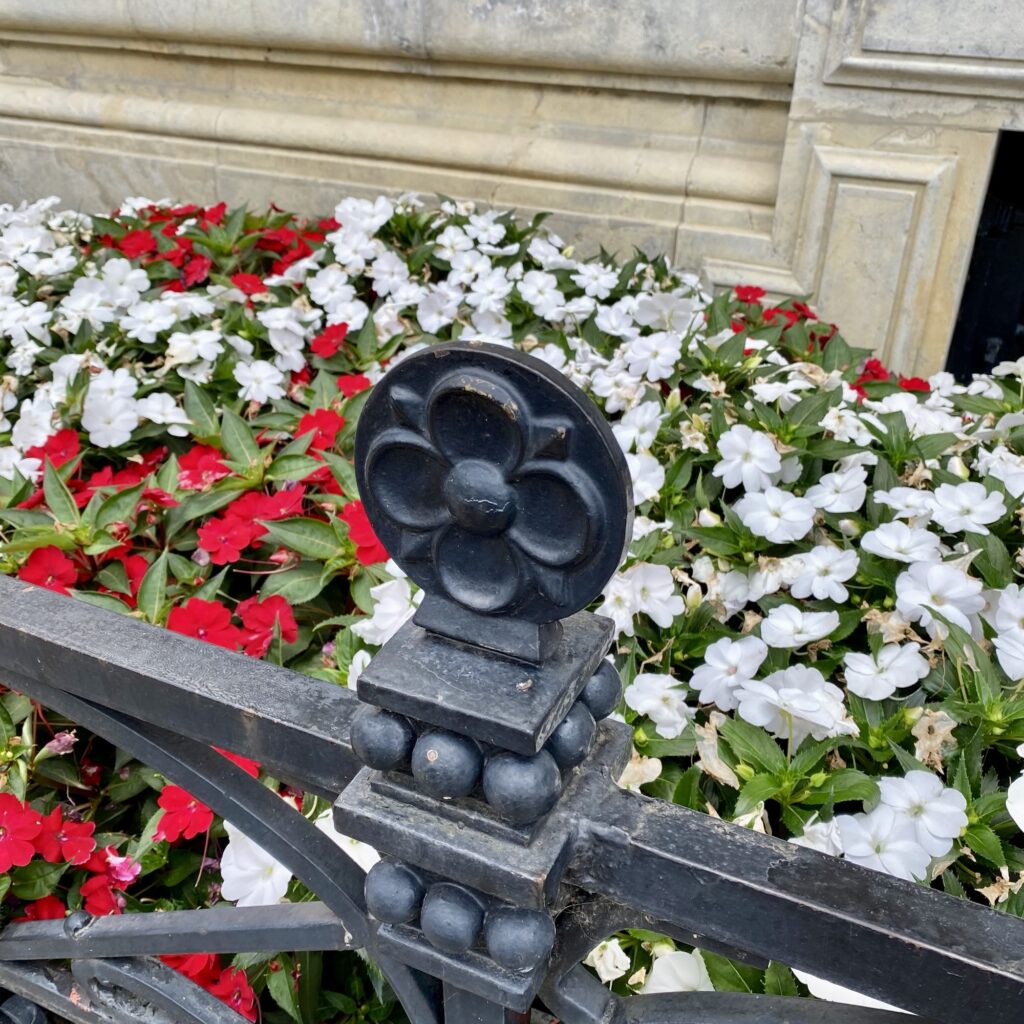
One of the joys of wandering without a plan is discovering unexpected details. This small metal ornament caught my eye because, at first glance, it reminded me of an English Tudor or Lancashire rose. That immediately brought to mind the remarkable historical ties between Bilbao and England, built over centuries through trade, shipping, iron, and industry. On closer inspection, it is probably not an English rose at all, but a Gothic quatrefoil, a decorative motif common throughout Europe. Sometimes, however, what matters most is not what you find, but where your curiosity takes you.
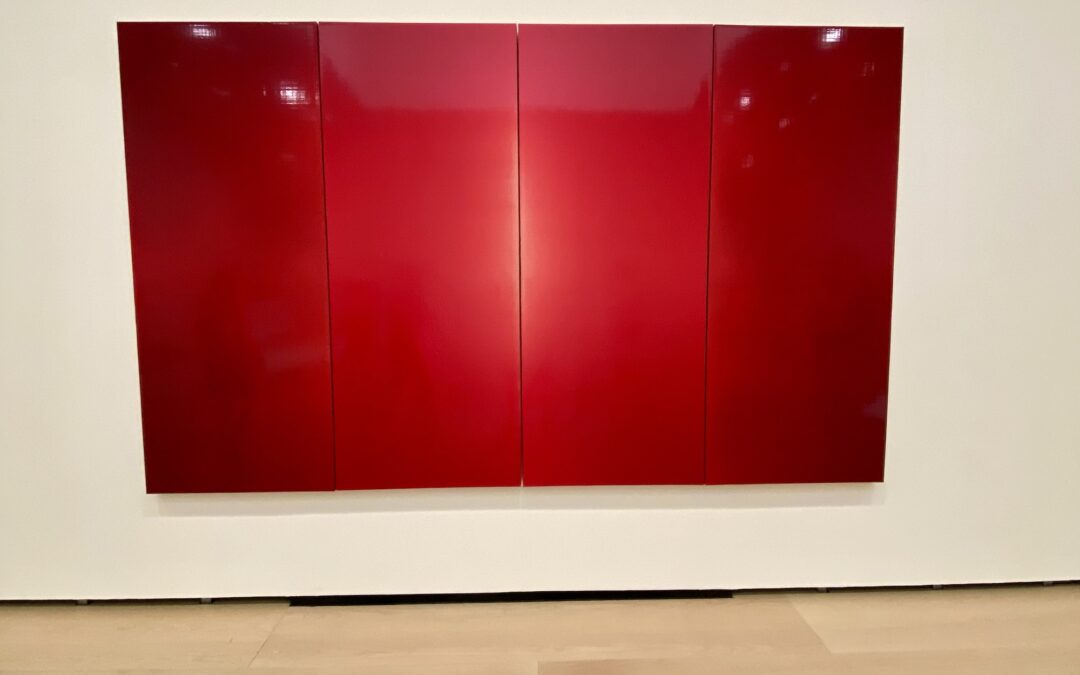
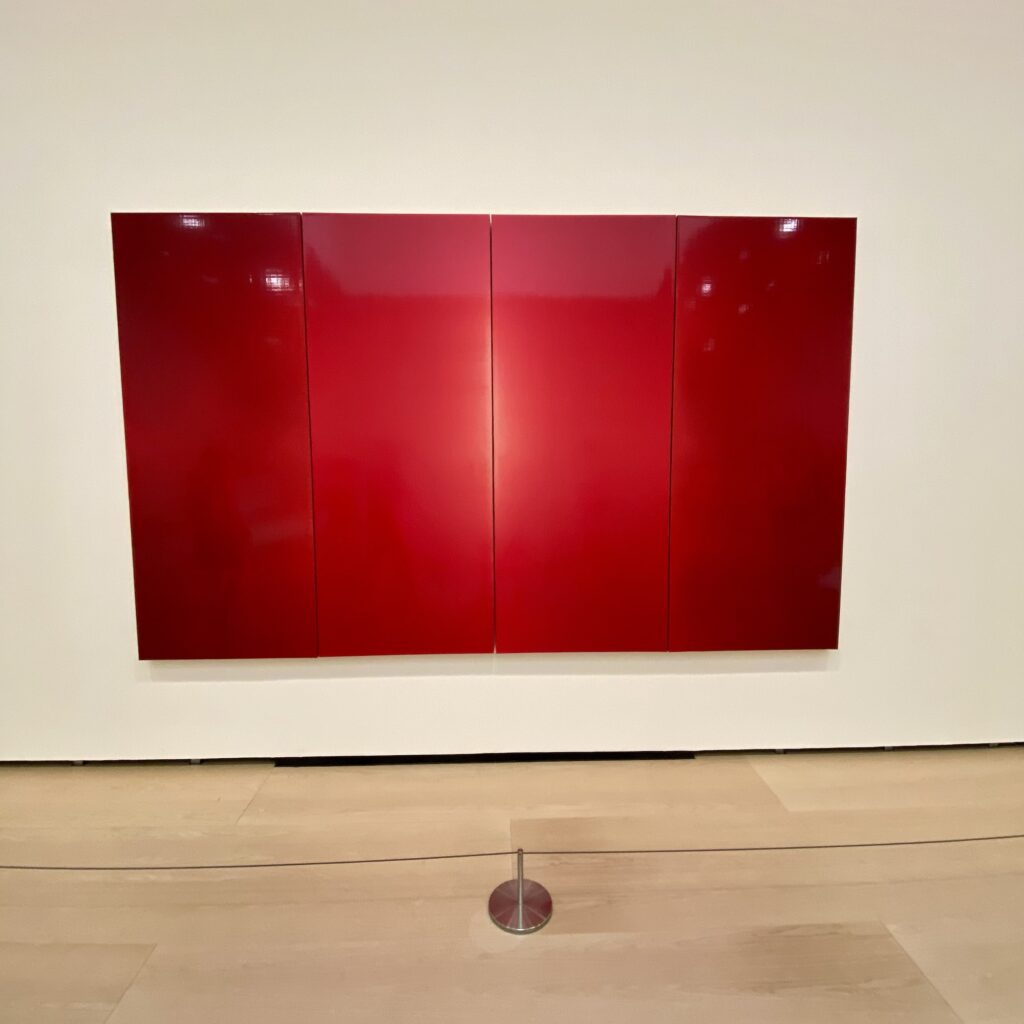
I sometimes bring boards out of the boardroom and into the world of art. The purpose isn’t to discuss art itself, but to gain fresh perspectives, challenge established thinking, and see familiar business questions through a different lens. During our visit to the Guggenheim Bilbao, we explored how culture transformed an entire city and inspired new ways of thinking about leadership, innovation, and long-term value creation. We each chose a favorite artwork and reflected on what it could teach us about business. This was mine.
Prudencio Irazabal’s paintings are meant to be experienced rather than merely seen. What first appears to be four simple red panels is the result of countless translucent layers of pigment. As light passes through these layers, the color gains remarkable depth and luminosity, subtly changing with the viewer’s movement. The work invites you to slow down, revealing that its true subject is not simply color, but light, space, and perception.
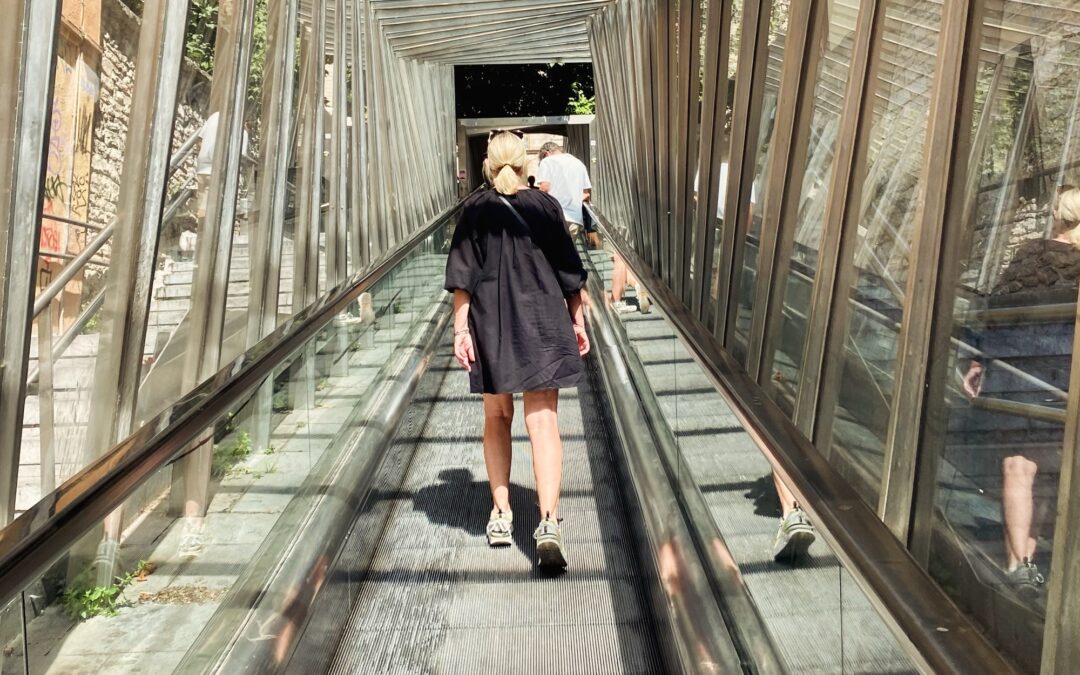
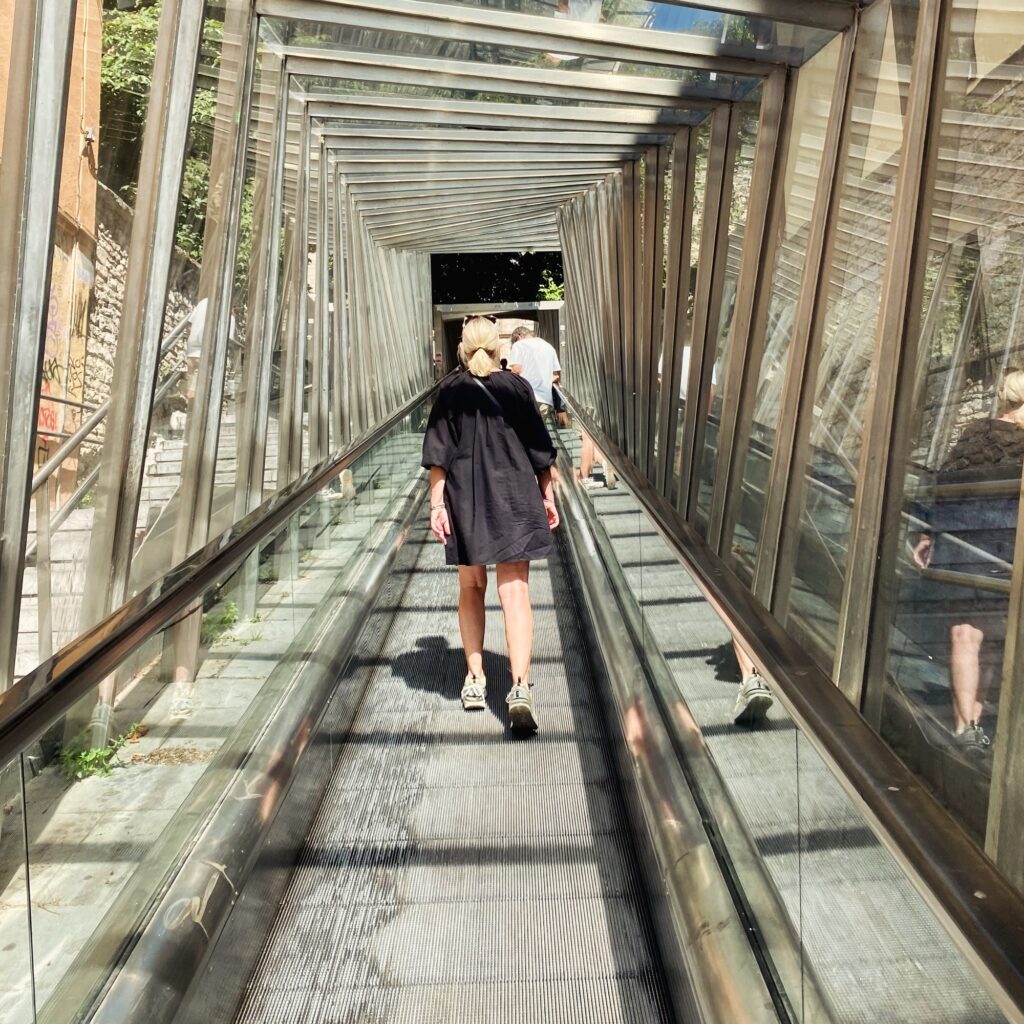
In the Basque capital of Vitoria-Gasteiz, they seem to have made Romans 11:33 a little more straightforward. You simply take the escalators on your journey to the cathedral.