Europe regained not only its unity, but also the opportunity to rebuild and protect a way of life that belongs to one of humanity’s greatest civilizations.
I return to this speech regularly. Over the years, it has become a symbol of freedom’s victory. Today, it also serves as a reminder of the enduring values of the West:
“Freedom leads to prosperity. Freedom replaces the ancient hatreds among the nations with comity and peace. Freedom is the victor.”
Those words remain as relevant today in Europe, as they were in 1987.
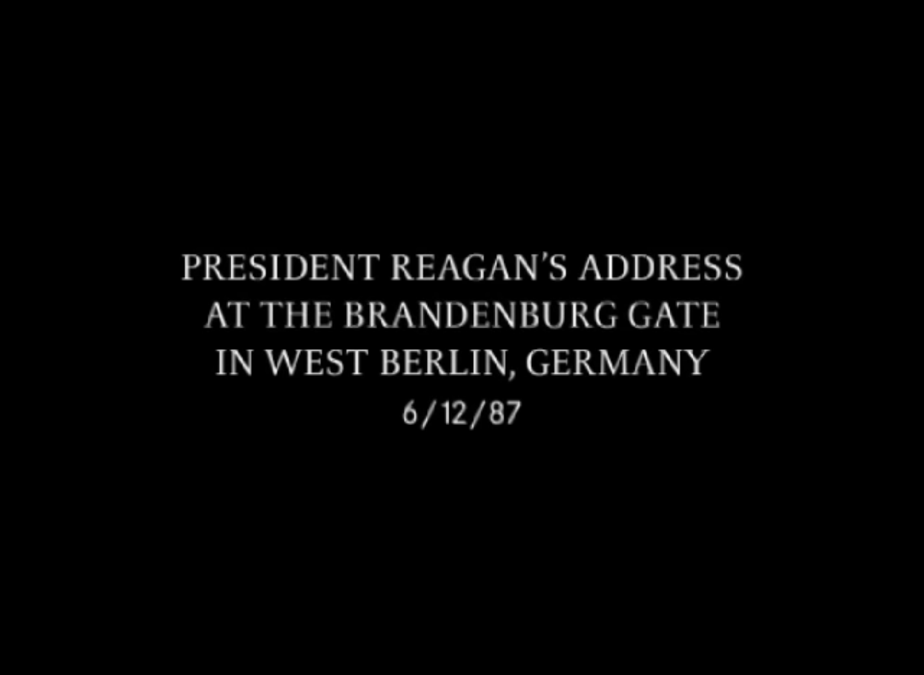
In 1987, President Ronald Reagan visited West Berlin and delivered one of the most remarkable speeches of the twentieth century. For many, it became a defining moment on the road to Europe’s liberation from the Soviet bloc and helped inspire the reunification of a divided continent.
Europe regained not only its unity, but also the opportunity to rebuild and protect a way of life that belongs to one of humanity’s greatest civilizations.
I return to this speech regularly. Over the years, it has become a symbol of freedom’s victory. Today, it also serves as a reminder of the enduring values of the West:
“Freedom leads to prosperity. Freedom replaces the ancient hatreds among the nations with comity and peace. Freedom is the victor.”
Those words remain as relevant today in Europe, as they were in 1987.
Parks, hotels, and palaces; promenades and avenues — Europe is endless.
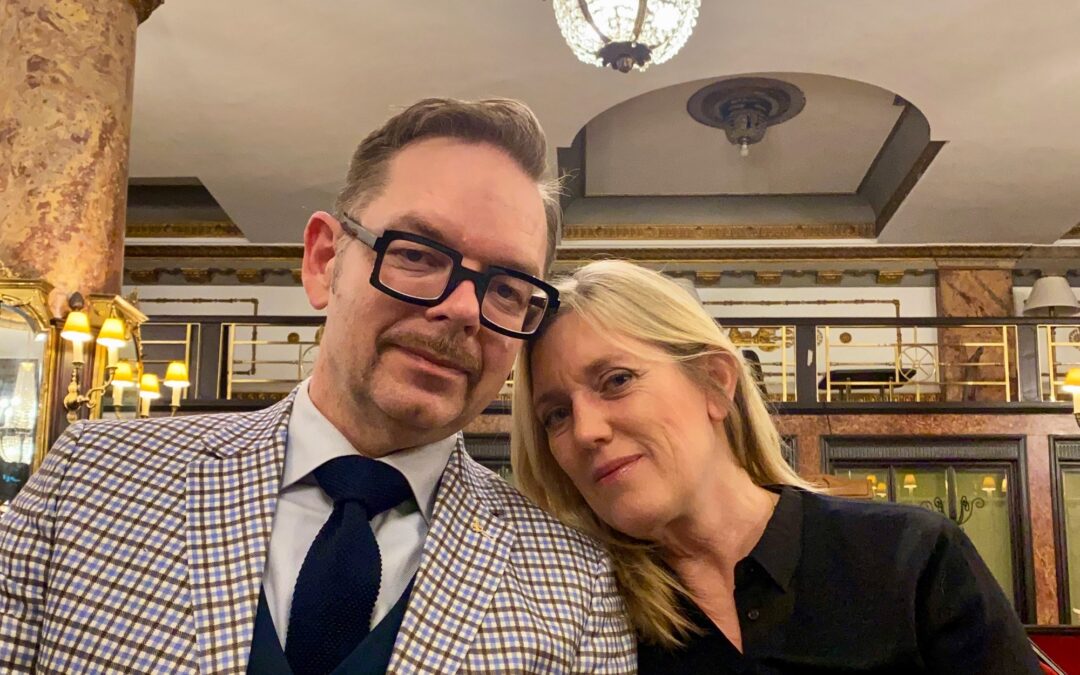
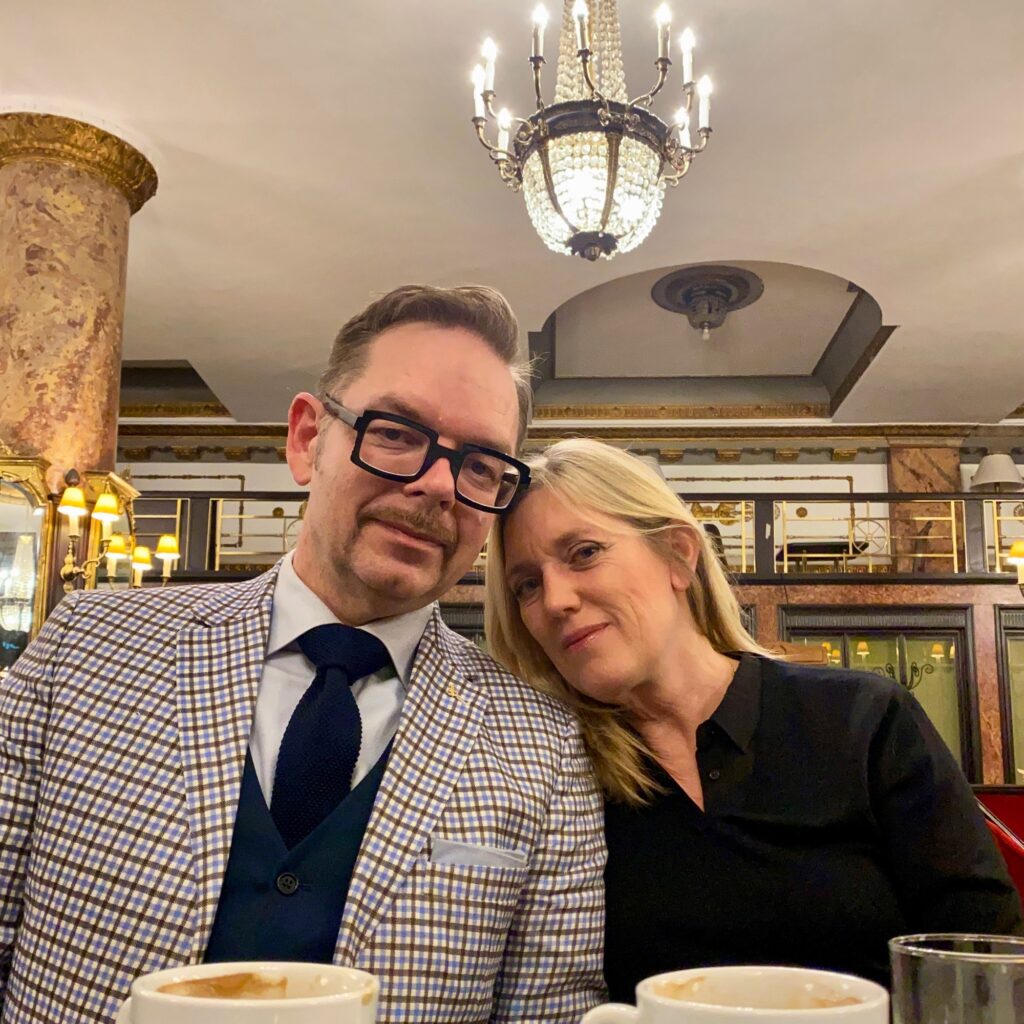
In Budapest, we sit in a late-night café.
The café invites guests on a journey back to the 1930s, when the Astoria, with its marble coverings, fancy carpets, glittering mirrors, and lead-glass windows, was in its glory as the grand hotel.
The Almighty asked me, ‘Which age would you like to live in?’ My answer led me through Hungary to Budapest in 1956. I find myself in the old man in this trailer; my eyes mirror his, looking back in time to the era of heroes. I see the masses of people in Budapest rising up in 1956.
When it is dark enough, you can see the stars of Europe. So, I made the decision to book a ticket to Budapest. I will be the old man in the trailer on the streets of Budapest, yes I will, and the stars will shine brightly.
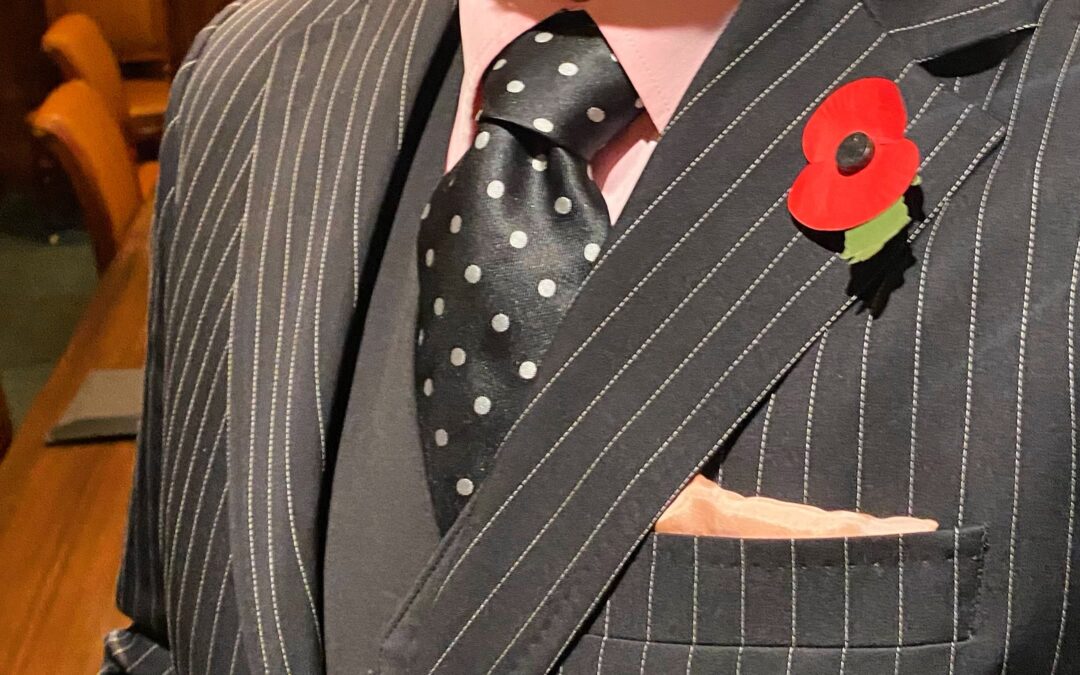
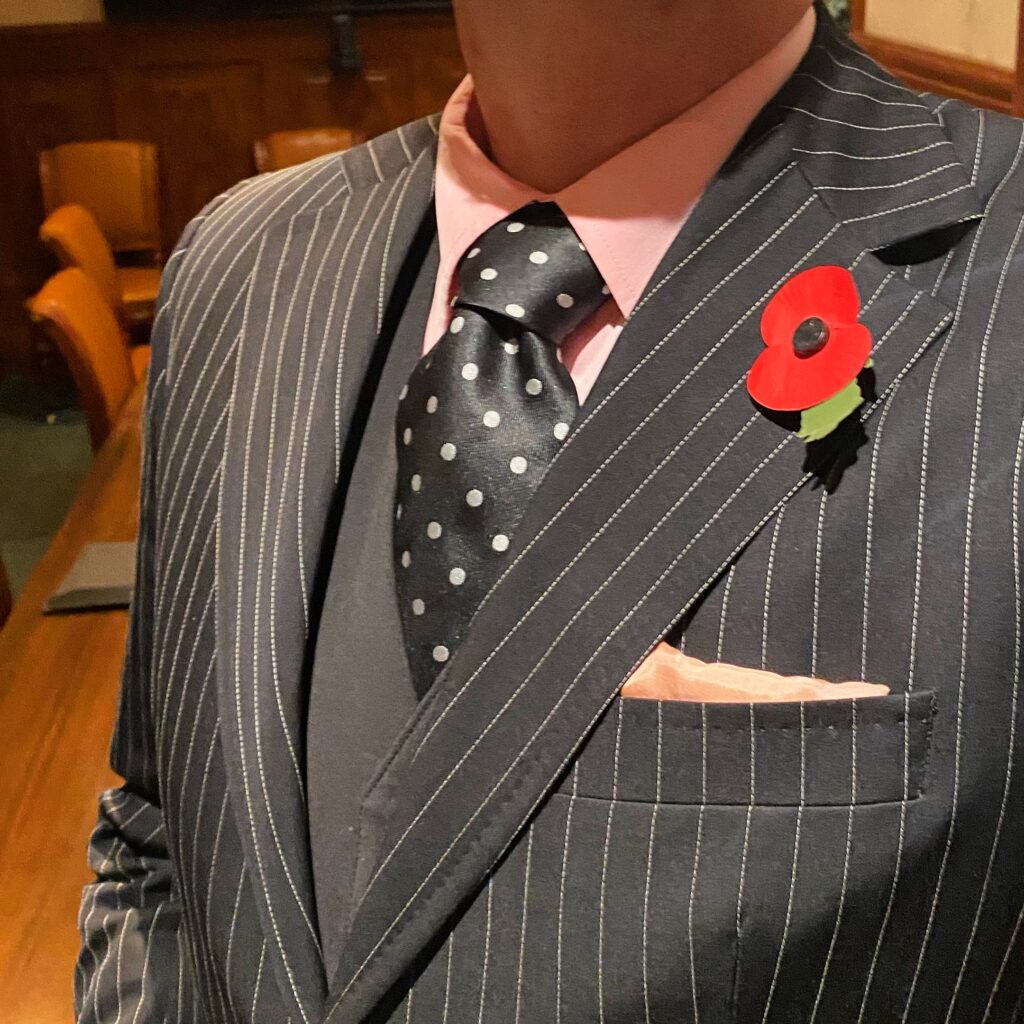
The dark pinstripe suit, complemented by a dotted tie and paired with a solid waistcoat and pink shirt, forms a truly beautiful combination for a day in a club, where the time-honored elegance of oak walls blends seamlessly with the traditional Chesterfield furniture.
In a trio of events, my day begins with a lunch focusing on international relations in Europe, followed by a pre-board meeting, and concludes with a St. Martin’s Eve dinner featuring roast goose, hosted by a financial society.
One of my greatest hobbies is enjoying local European cuisine. Europe’s enormous cultural diversity is chiefly reflected in its local cuisine, complete with traditions and origins. Natural boundaries such as rivers, mountain ranges, and seas have played pivotal roles in the creation of nations and their political strategies. Additionally, Europe’s navigable rivers have fostered trade and growth.
So, where better to enjoy Smørrebrød than in Copenhagen? Easier said than done, especially during a late lunch. One place after another was packed. However, as a hallmark of this European summer, iconic former social democratic leaders have guided me in the right direction of restaurants. As an open-minded individual, I engage in intellectual discussions with everyone, where respect and equality serve as the foundation for excellent public discourse.
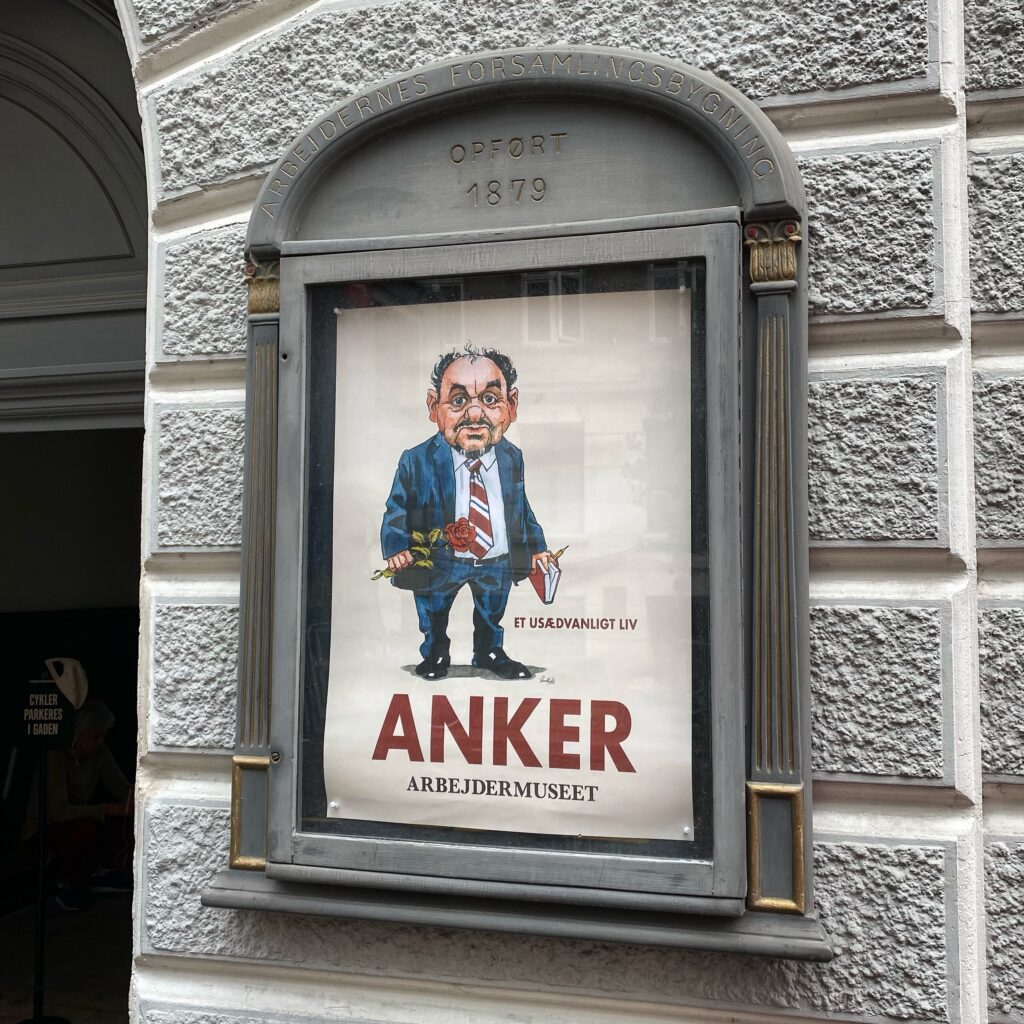
This time, fate led me to the Labour Museum in Copenhagen, where I saw a wall poster featuring none other than Anker Jörgensen (Danish politician who served at various times as Prime Minister). The museum’s basement houses the classic Smørrebrød restaurant Café & Ølhalle “1892,” complete with workers’ beer—a darker classic lager that exudes natural personality, much like Anker himself. Exemplified by Ankers refusal to move into the official Prime Minister residence Marienborg, preferring to stay with his wife in their small apartment in a working class area of Copenhagen.