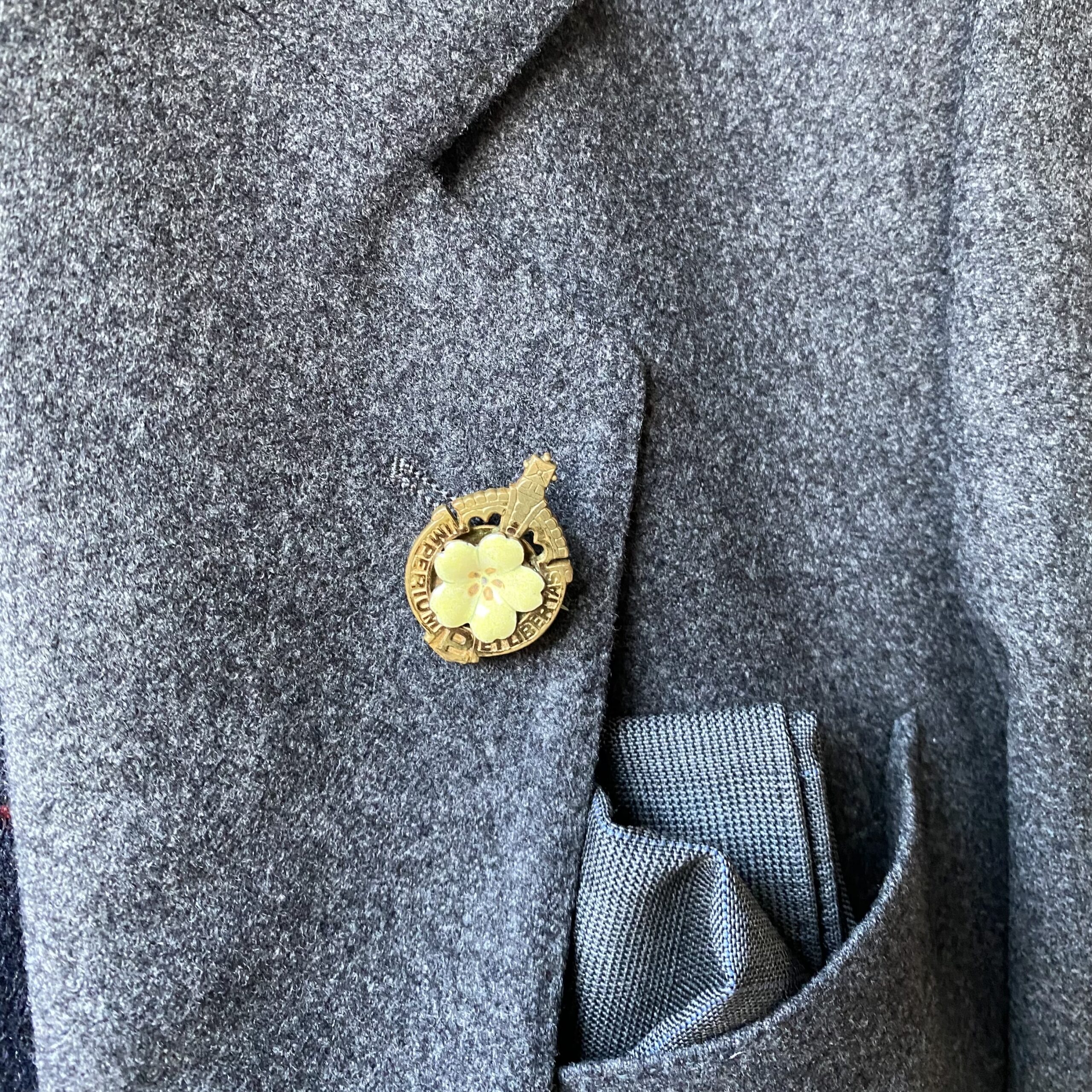
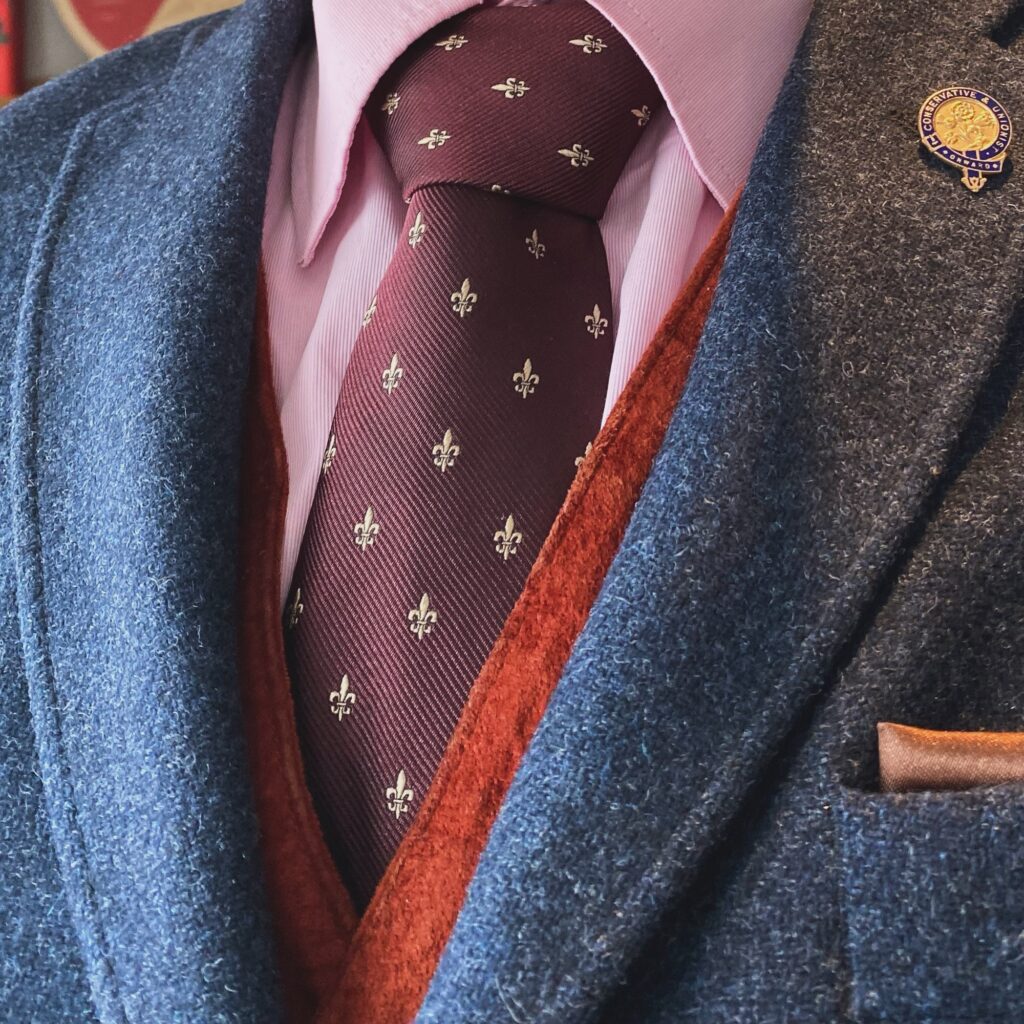
Hello again, it’s me. Just one more thing about my Primrose League badge from an earlier post.
At the Carlton Club in London, there is a remarkable collection of old Primrose League badges. I can stand there for minutes, just looking at them, studying the details and imagining the people who once wore them.
And when I have my lady with me, she eventually smiles and asks, “Darling, what is it about these little badges that keeps you so fascinated?”
A perfectly reasonable question, I must admit.
I suspect she would rather head down Piccadilly for some shopping at Fortnum & Mason. Founded in 1707 by William Fortnum and Hugh Mason, during the reign of Queen Anne. Another piece of British history, by the way.
But there I am, still studying the badges, minute after minute, thinking about Queen Victoria, Benjamin Disraeli and Victorian London.
And my lady? Perhaps one day I’ll tell her how the Primrose League helped open doors for women in British political life, long before they gained the parliamentary vote.
Then again, she might simply smile and suggest that we continue our historical investigations at Fortnum & Mason. 😉
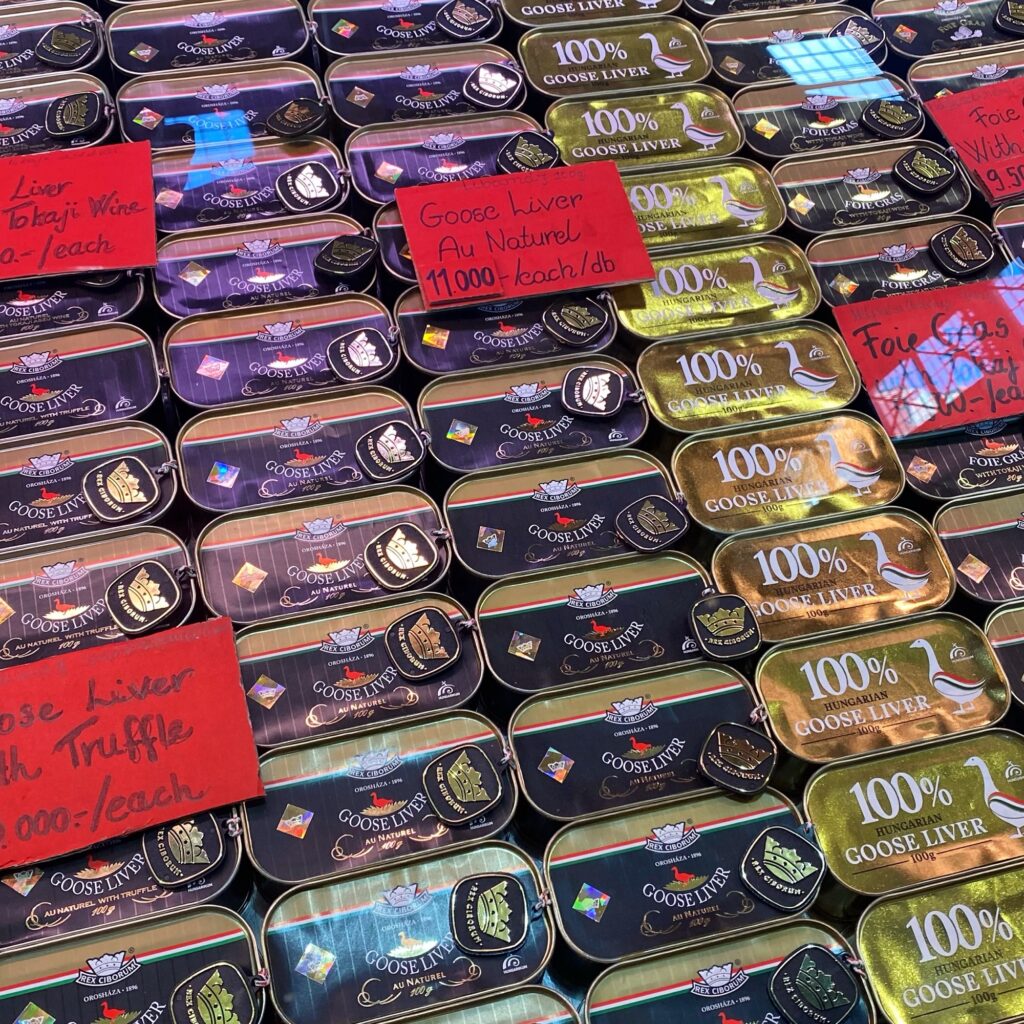
In the market halls, you encounter the soul of a country’s heritage and culture. I often take my lunch in these halls to experience the atmosphere and shop like the locals. This made my visit to the Grand Market Hall in Budapest particularly interesting, known for its wide range of goose liver.
Hungarian foie gras is commonly found at celebrations and family meals, highlighting its role in the nation’s culinary heritage. Hungary is also one of the world’s largest producers of foie gras.
The Almighty asked me, ‘Which age would you like to live in?’ My answer led me through Hungary to Budapest in 1956. I find myself in the old man in this trailer; my eyes mirror his, looking back in time to the era of heroes. I see the masses of people in Budapest rising up in 1956.
When it is dark enough, you can see the stars of Europe. So, I made the decision to book a ticket to Budapest. I will be the old man in the trailer on the streets of Budapest, yes I will, and the stars will shine brightly.
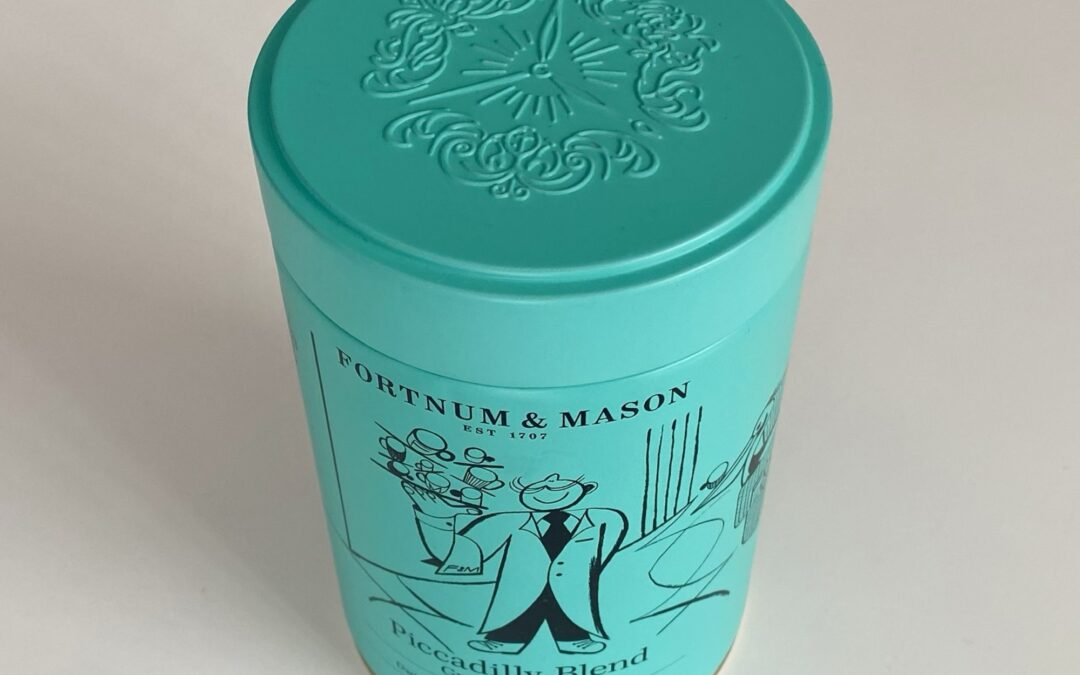
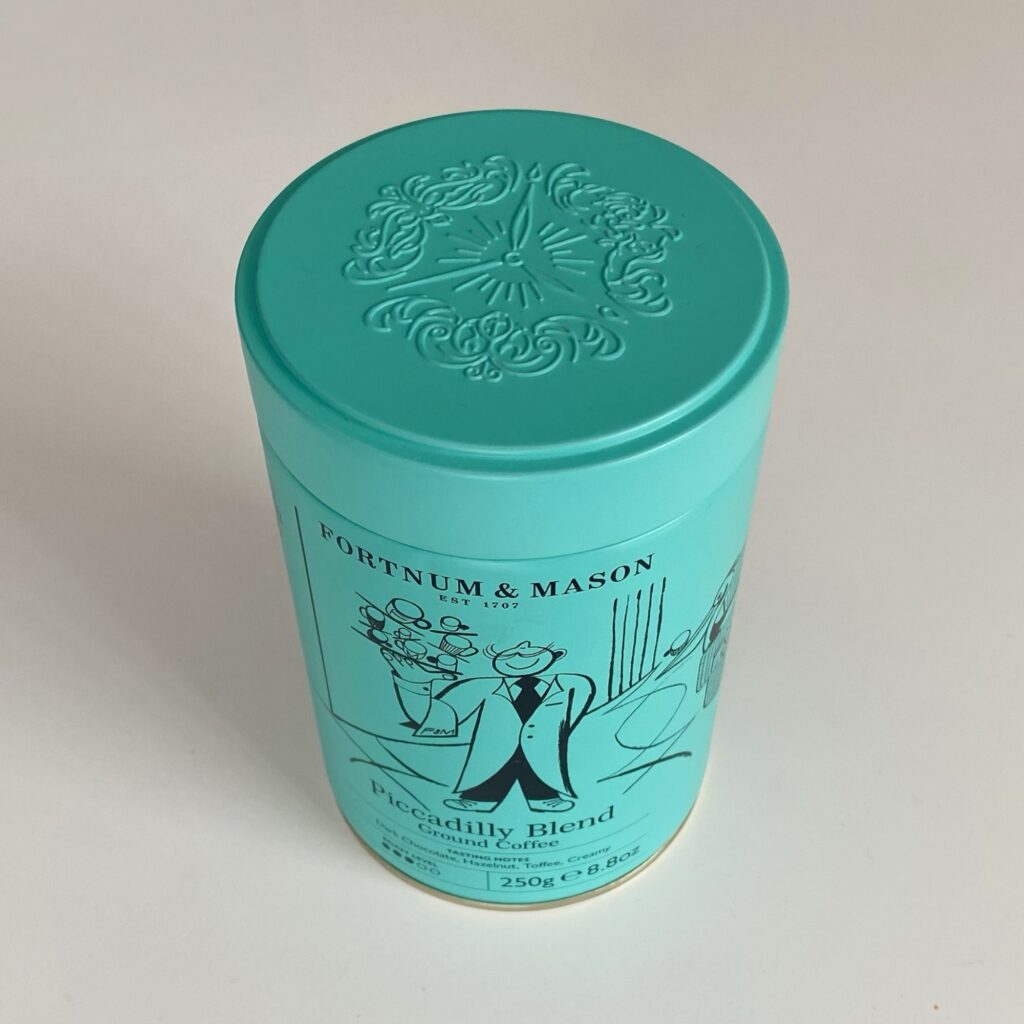
There is a kind of magic residing within my mind; its striking shade of signature eau-de-nil evokes a sense of calmness and tranquility. Piccadilly Blend Ground Coffee takes me back to the place where I belong. Yes, just take me back to where I feel the atmosphere embrace me.
Fortnum & Mason’s packaging is a masterclass in branding, exuding timeless elegance with its iconic turquoise hue and uncluttered design. Each tin, box, or parcel from this storied brand is a nod to its rich heritage, often adorned with narrative illustrations that tell a tale of tradition and quality, designed to transform even the most mundane purchase into a special occasion.
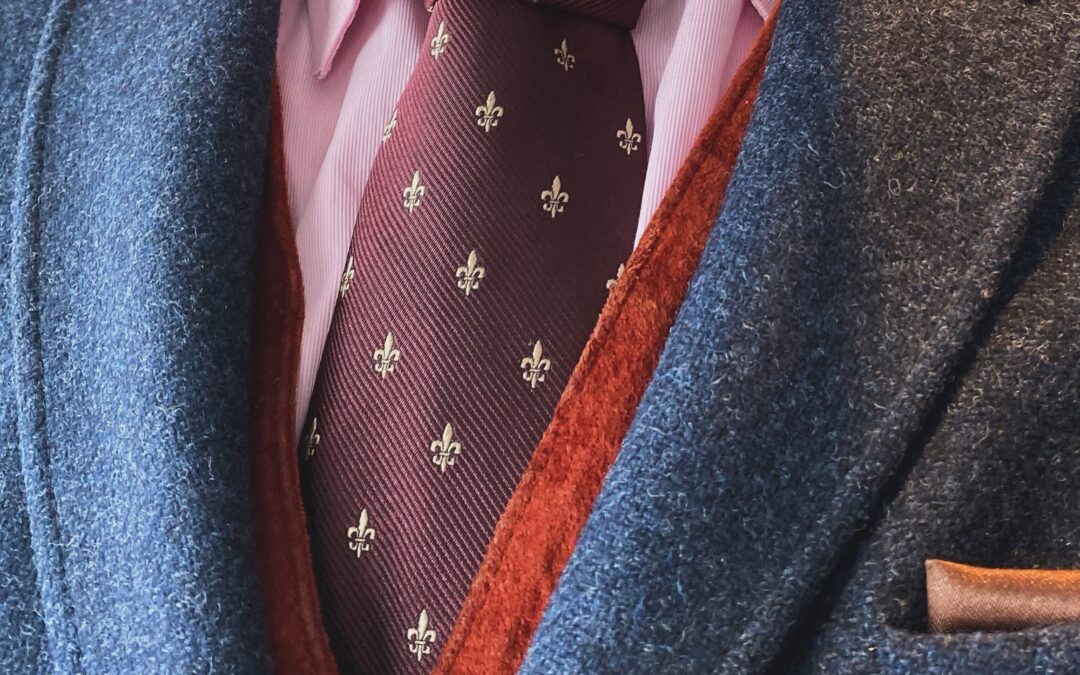
This is one of my favorite ties, adorned with a Fleur-de-lis pattern, a gift from a dear friend who has significant Hungarian connections.
The Fleur-de-lis is not just a symbol; it’s a kind of magic that resonates within your soul and mind, enduring across millennia, echoing Hungary’s own survival as a nation-state for over a thousand years.
It was Charles I, King of Hungary, who skillfully incorporated the Fleur-de-lis into the national coat of arms, blending it with the traditional per pale design of the Angevins, the Capetian dynasty in France who ruled and developed selected parts of Europe.