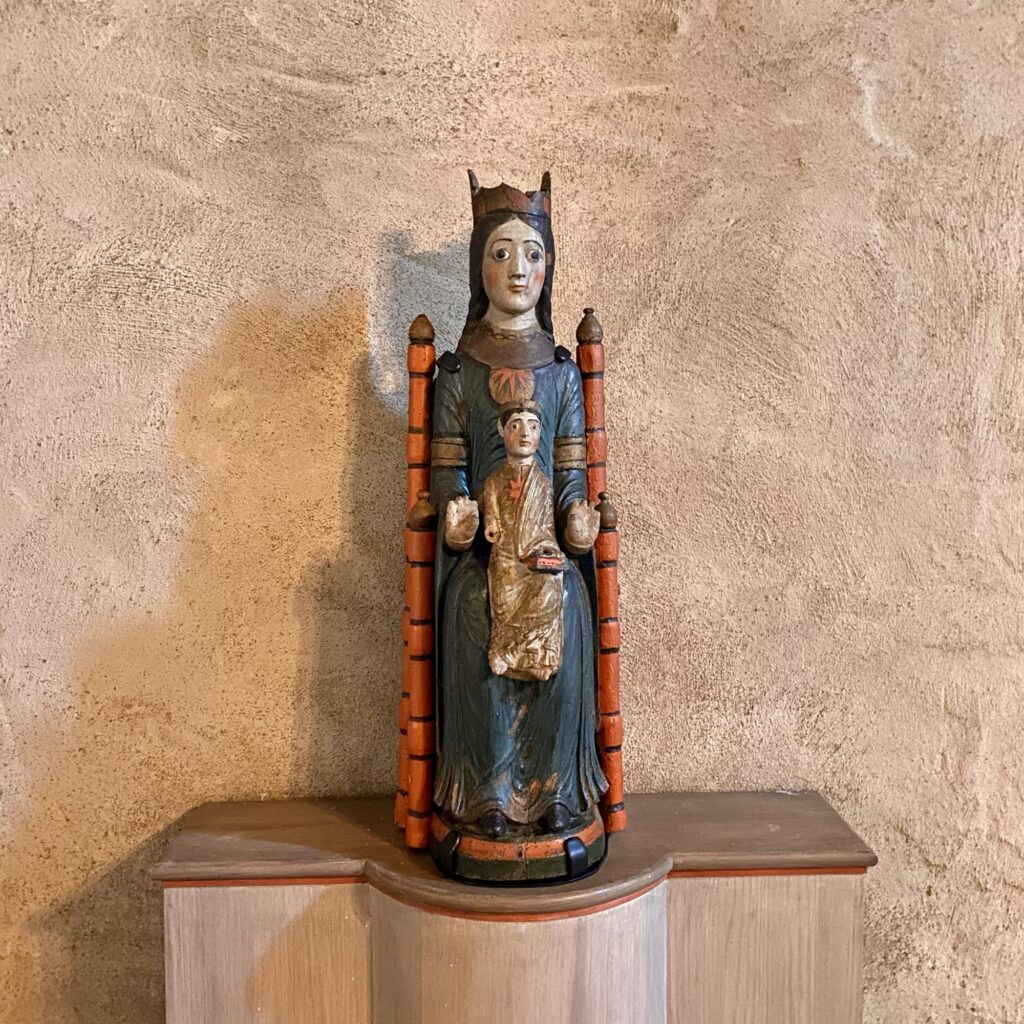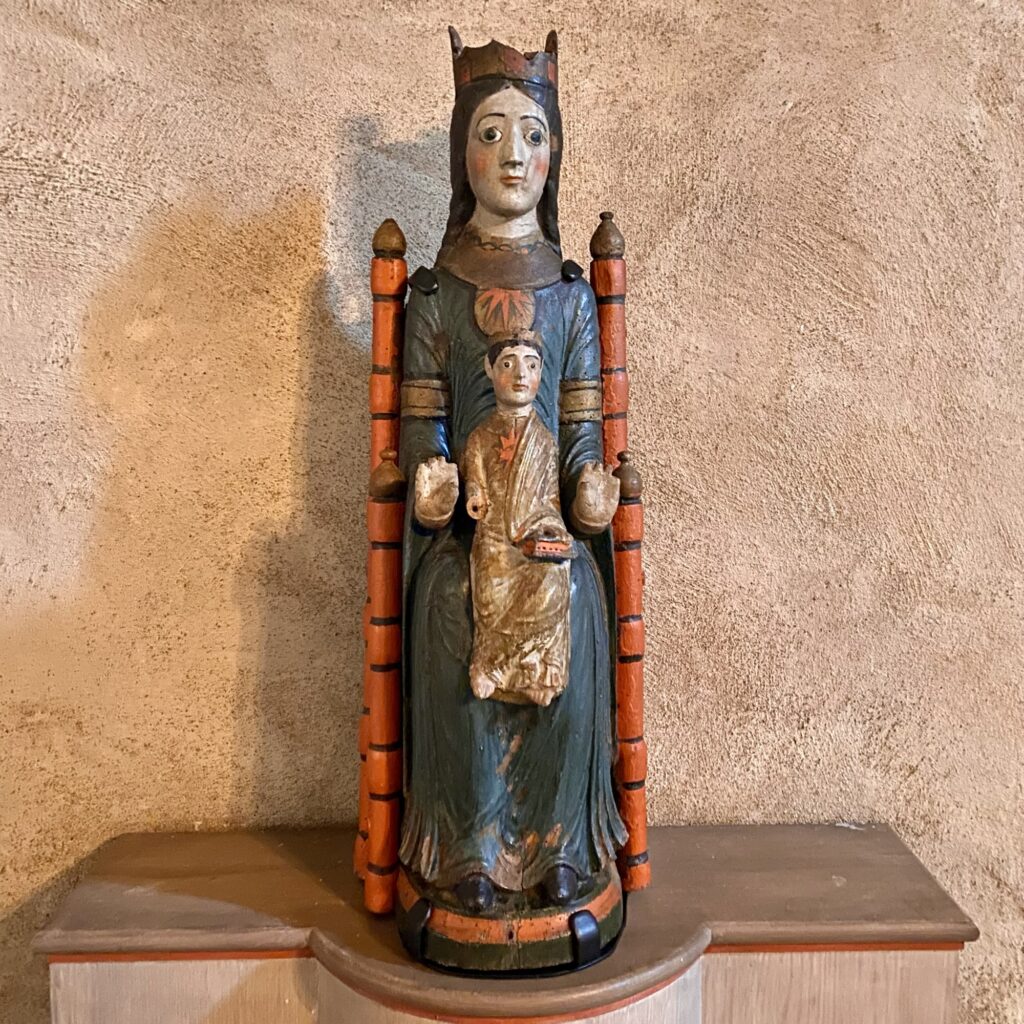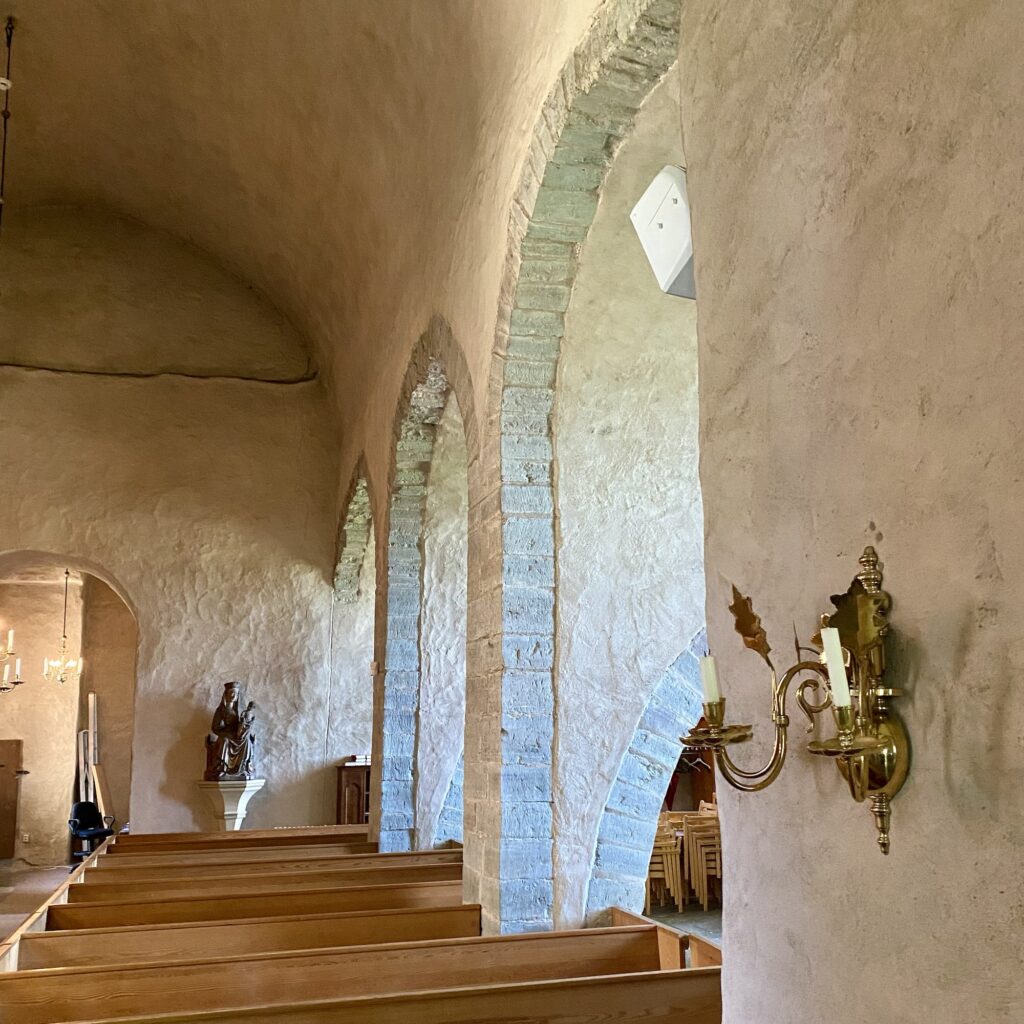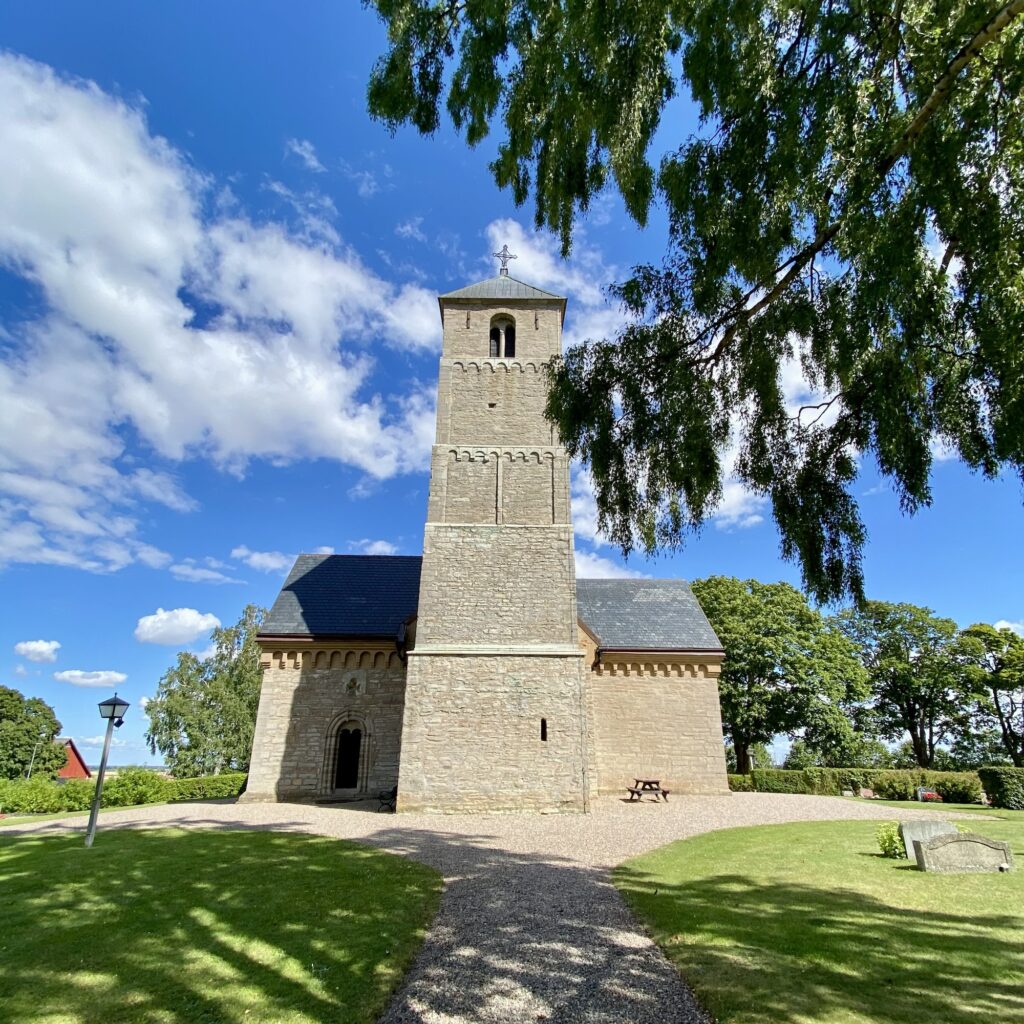
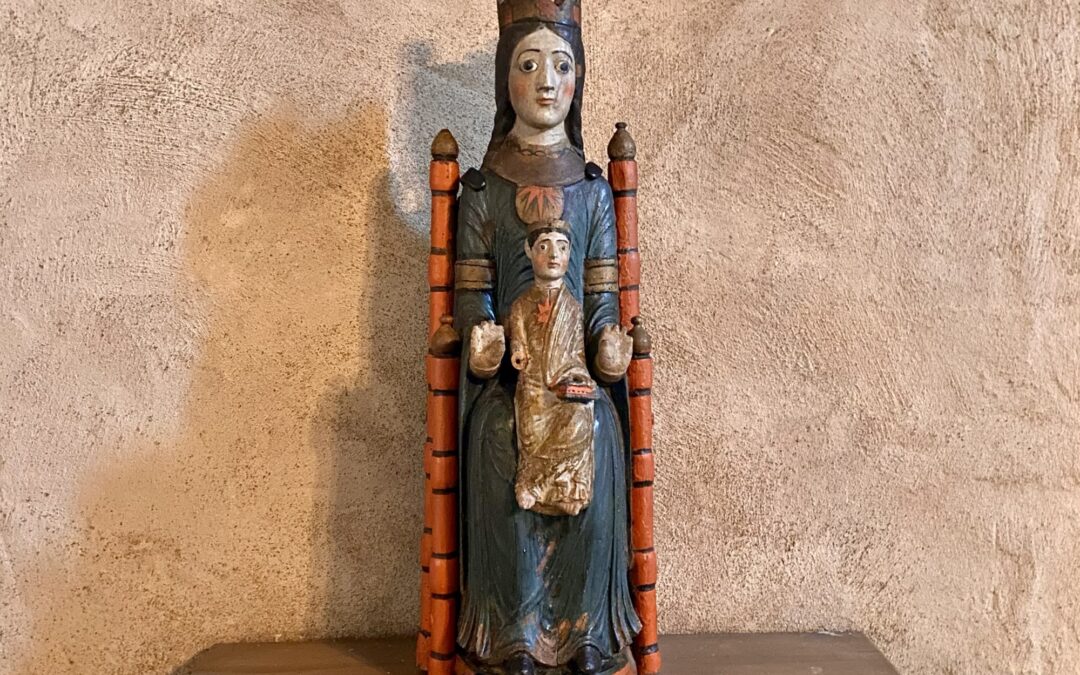
I found myself standing alone in the silence of Heda Church, face to face with the nearly 900 year old Heda Madonna
I found myself standing alone in the silence of Heda Church, face to face with the nearly 900 year old Heda Madonna.
At first, I admired a remarkable medieval sculpture. But the longer I stood there, reading about the Madonna and reflecting on Verner von Heidenstam’s The Image of the Queen of Heaven in Heda, the more everything changed.
I was no longer looking only at Mary, the mother of Jesus. I was looking at the Queen of Heaven, one of the most powerful symbols of the medieval world. The statue was no longer simply a masterpiece of Romanesque art. It became a window into how people once understood life itself, where heaven and earth were inseparable, and the church was the place where they met.
Then I understood what Heidenstam had seen.
The turning point of his poem is not about religion, but about perspective. The visitor does not ask for wealth, success, or recognition. Instead, he asks for the humility, love, and devotion of the unknown craftsman who carved the Madonna almost nine centuries ago. He wishes to see the world through the eyes of the artist who created something that could still move people hundreds of years later.
That thought stayed with me.
Faith, in this sense, is not only about belief. It is about recognizing that some things are greater than ourselves, and therefore worthy of reverence. History. Beauty. Craftsmanship. Humanity.
As I stood there, I realized I was looking into the same face that medieval pilgrims once gazed upon, the same face that generations have carried with them through hope, sorrow, gratitude, and joy for nearly 900 years.
In that quiet moment, I finally understood what had moved Heidenstam. And I realized that the Heda Madonna still has the power to awaken exactly the same feeling today.
Some places do not simply preserve history.
They allow you to feel it.